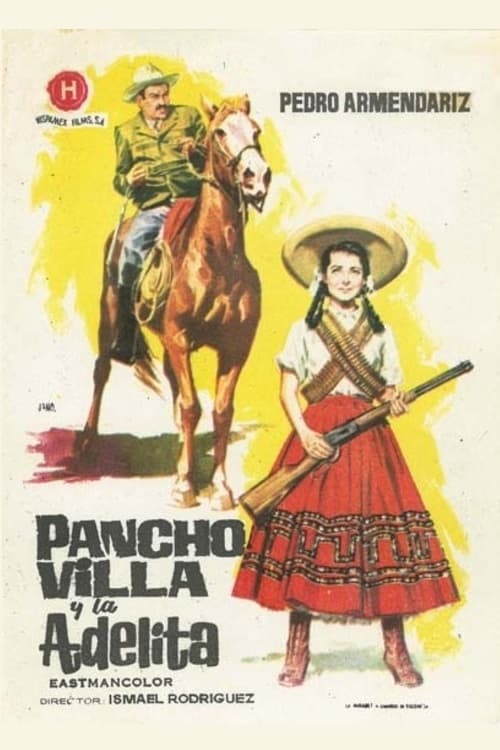
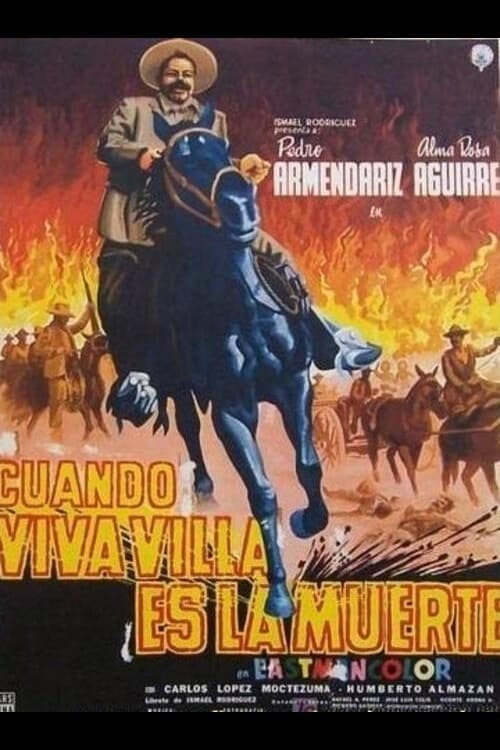
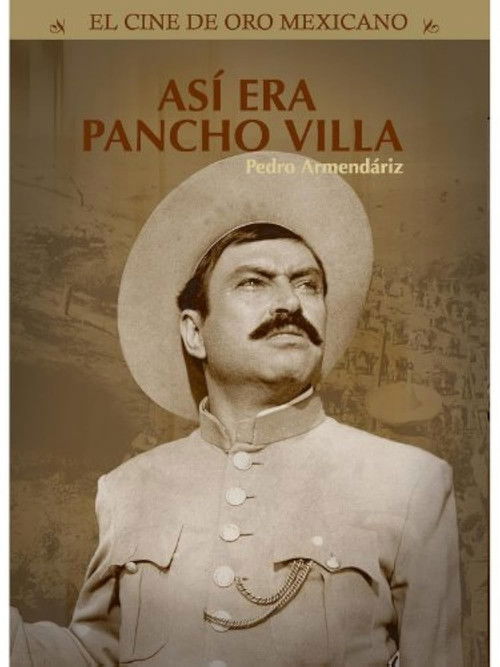
This Was Pancho Villa: Second chapter
1958
No user ratings available yet
Representation score: 4.4 out of 10
Representation Score
Fair
1958
Not RatedDirector
Ismael Rodríguez
Runtime
85 minutes
Average Rating
No ratings yetNew Showbiz Analysis
This historical epic effectively highlights Mexican ethnic identity and ability to act, challenging Eurocentric perspectives. However, it adheres to the gender norms and lack of representation for LGBTQ+ identities and characters with disabilities typical of its time period.
Category Breakdown
The film focuses on revolutionary warfare and masculine archetypes of the early 20th century. There are no representations of LGBTQ+ identities or same-sex relationships.
Male figures occupy leadership roles and drive the main plot. Women play supporting roles that emphasize emotional connections but do not hold positions of power.
The film centers Mexican ethnic identity and ability to act by focusing on a Mexican revolutionary. It challenges Eurocentric views by highlighting Mexican characters as central figures in their own history.
The story critiques centralized authority and portrays the protagonist's actions as a response to systemic oppression and foreign intervention. It frames the outlaw status as a necessary reaction to injustice.
There are no characters with disabilities, and physical trauma is used primarily as a plot device rather than exploring disability in depth.
Present on Screen
Limited or Absent
Official Synopsis
The third and final chapter of director Ismael Rodríguez's series about Pancho Villa. Several stories about the life and death of the famous mexican revolutionary general.
1958
1957
1970
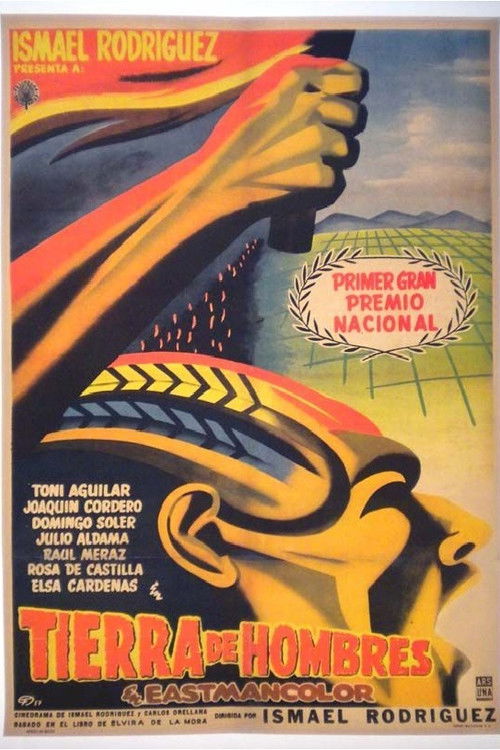
1958
No reviews yet. Be the first to share your thoughts on this movie!
Use the rating form above to leave a star rating and optional review.