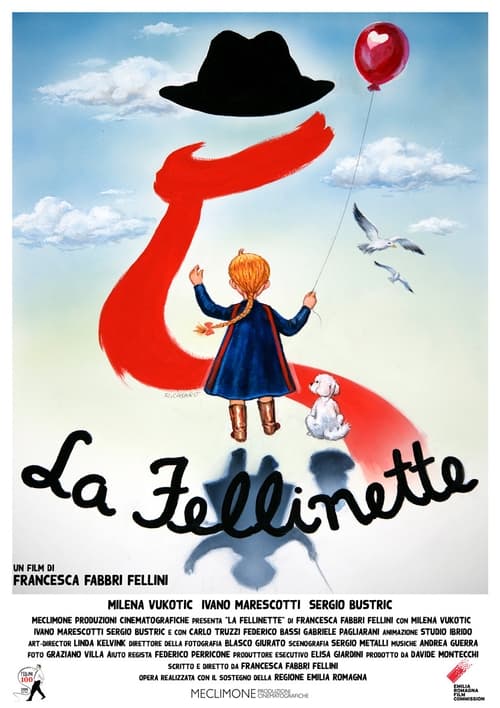
La Fellinette
2020
No user ratings available yet
Representation score: 5.7 out of 10
Representation Score
Fair
2004
Director
Juan Pablo Etcheverry
Runtime
10 minutes
Average Rating
No ratings yetNew Showbiz Analysis
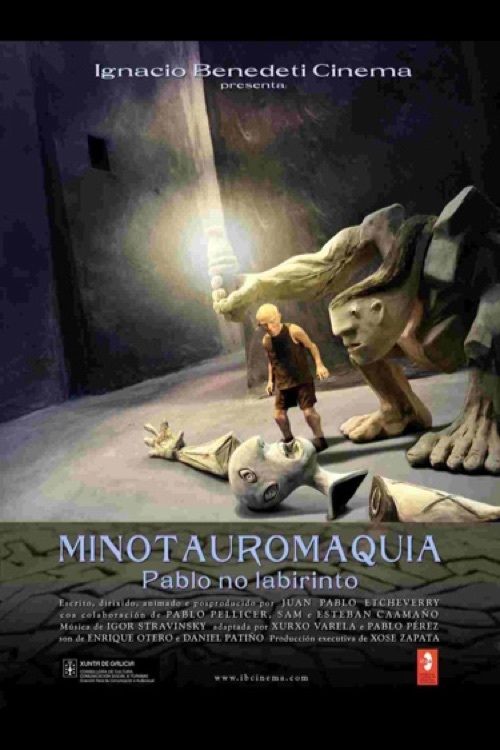
Minotauromaquia is an intellectually complex animation that prioritizes the deconstruction of classical myths over explicit demographic representation. It succeeds in challenging traditional narrative structures by centering on the subjective reality of an artist's mind. The film's strength lies in its ability to subvert traditional perspectives and disrupt established cultural archetypes. It uses abstract visual language to explore identity and perception through the lens of modernism. However, the work is limited by its heavy reliance on Western art history and a singular European cultural context. This focus results in a lack of racial and explicit demographic diversity.
Category Breakdown
The film touches on themes of non-traditional desire through Picasso's perspective but does not show explicit depictions of queer intimacy or identity-focused stories.
It uses the 'Ladies of Avignon' as a central theme to break away from traditional portrayals of women, offering a more complex and fragmented visual expression.
The animation is deeply rooted in European modernist traditions and Western art history. It focuses on a singular historical perspective and does not include a diverse or non-Anglo-Saxon cast.
The work emphasizes individual perception over institutional truths. It deconstructs classical myths like the Minotaur to serve a personal, psychological narrative rather than traditional archetypes.
There is no clear depiction of physical or neurodivergent disabilities in the film. The focus remains on the abstract psyche rather than specific disability representation.
Present on Screen
Limited or Absent
Official Synopsis
An imaginary insight into Pablo Picasso's creative mind and painted creatures and characters. We enter in his head and walk with him the intricate maze that was his imagination to find the creatures and stories that populated his psyche and came out when he painted a canvas. His imagination is presented as the myth of the maze and the Minotaur, and some of the characters in the piece are in Picasso's real paintings - his famous dove, the Minotaur, and the ladies of Avignon, among many others.
2020
1988
1976
2011
1949
1992
1991

2007
No reviews yet. Be the first to share your thoughts on this movie!
Use the rating form above to leave a star rating and optional review.