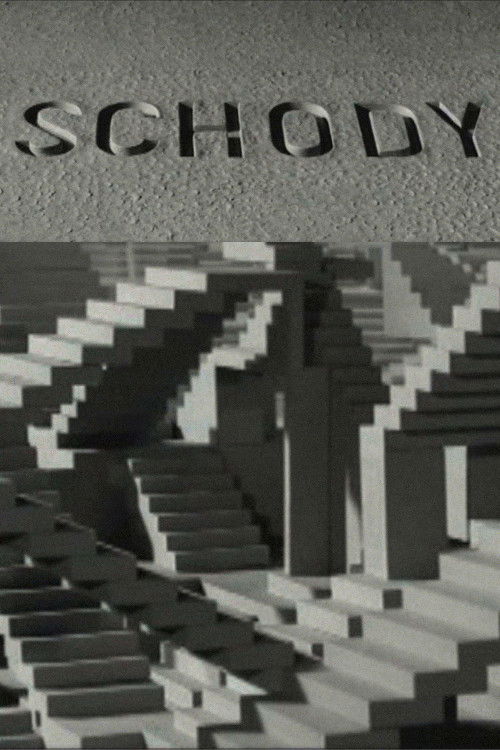
The Stairs
1969
No user ratings available yet
Representation score: 4.0 out of 10
Representation Score
Minimal
1982
Director
Patrick Bokanowski
Runtime
66 minutes
Average Rating
No ratings yetNew Showbiz Analysis
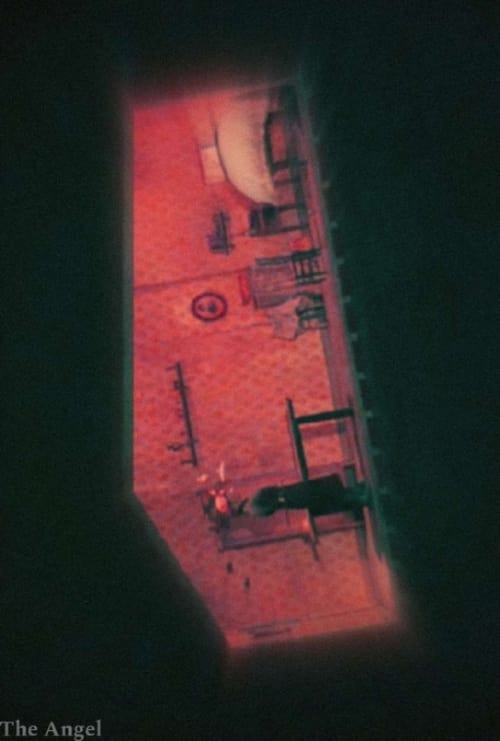
L'Ange is an avant-garde, non-narrative work that prioritizes visual abstraction over traditional storytelling. Because it functions through a dreamlike, hallucinatory lens, it exists outside the standard frameworks of social representation. The film's subjects are treated as abstract motifs rather than social actors. It does not engage with identity politics, systemic hierarchies, or social archetypes through a conventional lens. Ultimately, the low diversity score is a result of the film's formalist approach. It intentionally avoids the construction of social identities and systemic power dynamics in favor of symbolic, surrealist imagery.
Category Breakdown
The film does not include any narrative related to gender identity or sexual orientation. Human forms are used as geometric or textural elements rather than characters with defined identities.
The work does not establish or challenge gender hierarchies because it lacks a social framework. There are no gendered roles or interpersonal dynamics between male and female figures.
The visual language is rooted in abstraction and optical distortion. It does not engage with racial or ethnic identity or utilize specific cultural markers.
The film aligns with postmodernist values by eschewing traditional narrative structures. It implicitly rejects singular morality and structured institutions like family or religion.
There is no evidence of characters with visible or invisible disabilities. Human forms are presented as part of a symbolic visual tapestry without specific characterization.
Present on Screen
Limited or Absent
Official Synopsis
The climbing of an immense staircase made up of the most varied stairs. Symbolic scenes occur on different levels where characters seem to be prisoners of their deeds and of their own folly. The steep staircase leads little by little towards the zones of great light where human beings and nonhuman beings meet.
1969
1985
1986

1988
1949
1976
1986

1984
No reviews yet. Be the first to share your thoughts on this movie!
Use the rating form above to leave a star rating and optional review.