Przystań
1997
No user ratings available yet
Representation score: 1.8 out of 10
Representation Score
Limited
1978
Director
Karel Kachyňa
Runtime
70 minutes
Average Rating
No ratings yetNew Showbiz Analysis
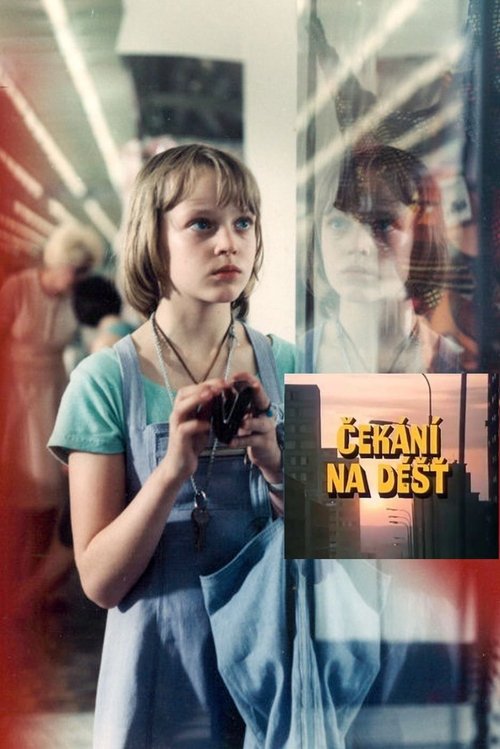
Waiting for the Rain is a politically charged drama that prioritizes a critique of totalitarianism over diverse social issues. Its strength lies in its critique of state-mandated morality and the struggle for individual ability to act against a paranoid regime. However, the film is limited by its historical and geographic specificity. The lack of representation for LGBTQ+, racial, or ethnic identities results in a narrow demographic scope that reflects the era's homogeneity rather than diverse identities. Ultimately, the film serves more as a political allegory than a study of diverse social identities, making it a powerful historical critique but a limited work in terms of modern representation standards.
Category Breakdown
The film does not depict non-binary or LGBTQ+ identities explicitly. It focuses on the historical pressures that underrepresented these identities due to strict state control.
The story adheres to traditional mid-20th century gender roles. While the main character, Alena, shows internal complexity, the film does not challenge the era's gender power structures.
Set in a rural Czechoslovak village, the film depicts a homogeneous population. It does not address racial or ethnic diversity, reflecting the specific demographics of its time.
The film excels in critiquing institutional corruption and Stalinist oppression. It portrays the state as a systemic antagonist, challenging manufactured morality.
There is no focus on neurodivergence, physical disabilities, or mental health conditions. Characters are defined by their relationship to the political climate rather than by disability.
Present on Screen
Limited or Absent
Official Synopsis
It’s a hot holiday season in the city and Alena is pretty much left to her own little self, fantasizing and running her personal daily rituals, keeping most people at a safe distance, yet trying to get male attention.
1997
1986
1988

1965
1987

1978
2015

1988
No reviews yet. Be the first to share your thoughts on this movie!
Use the rating form above to leave a star rating and optional review.