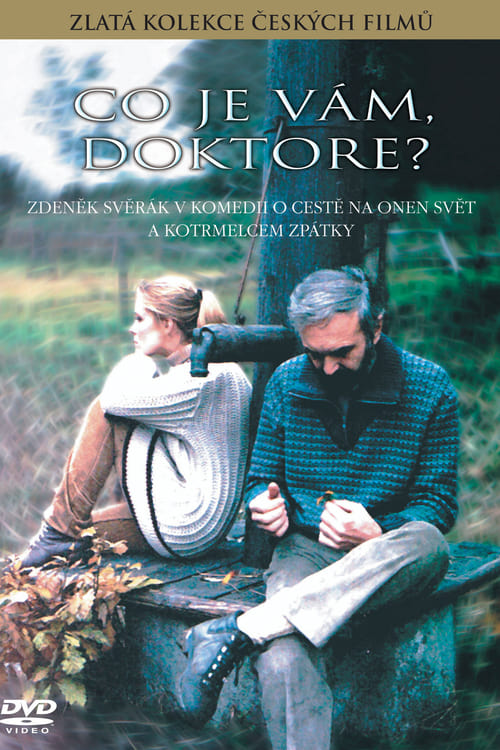
What's Up Doc?
1985
No user ratings available yet
Representation score: 2.1 out of 10
Representation Score
Limited
1987
Director
Karel Kachyňa
Runtime
84 minutes
Average Rating
No ratings yetNew Showbiz Analysis
The film operates as a historical drama centered on national sovereignty and resistance to occupation. Its narrative strength lies in its critique of systemic oppression and the breakdown of institutional order under fascist rule. However, the production lacks contemporary demographic diversity. The absence of LGBTQ+, racial, and disability representation results in lower scores in these categories. Ultimately, while the film effectively challenges traditional authority, the focus on male-driven political action and a lack of diverse character development limit its overall progressive impact.
Category Breakdown
The film does not include any LGBTQ+ characters or representations of non-straight relationships. The story focuses on student resistance without showing same-sex relationships or hints of queerness.
Male characters play the most significant roles in driving the story. Female characters are present but conform to traditional gender roles typical of historical dramas.
The cast is ethnically uniform, reflecting the Czech experience during World War II. This demographic focus aligns with the historical context of the film.
The story provides a deep critique of an oppressive state apparatus. Political institutions are portrayed as corrupt, and the film explores the moral dilemmas of survival versus sacrifice.
There are no prominent depictions of visible or invisible disabilities. Characters with disabilities are not used as central plot devices or for narrative empathy.
Present on Screen
Limited or Absent
Official Synopsis
A story of Jan Kolvara, forty years old architect, who is a little bit too obsessed with women in his life.
1985
1965
1978

1966
2019
1990
1987
1969
No reviews yet. Be the first to share your thoughts on this movie!
Use the rating form above to leave a star rating and optional review.