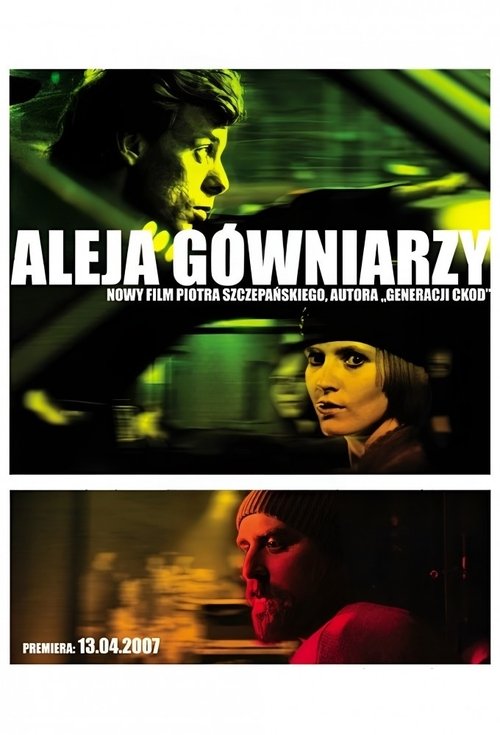
Aleja gówniarzy
2007
No user ratings available yet
Representation score: 1.6 out of 10
Representation Score
Minimal
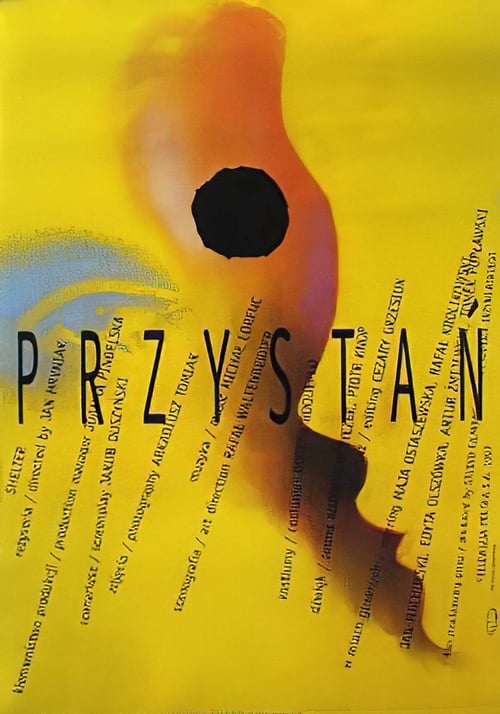
1997
Director
Jan Hryniak
Average Rating
No ratings yetNew Showbiz Analysis
Przystań is a character-driven drama that emphasizes psychological depth over broad diversity. Its strength lies in its exploration of gendered autonomy and the socioeconomic changes in Eastern Europe during the late 1990s. While the film provides a sophisticated look at how women navigate autonomy within a changing society, it remains a localized narrative. It lacks the racial, LGBTQ+, and disability diversity found in more contemporary, globalized cinema. Ultimately, the film serves as an intimate study of individual autonomy against a backdrop of shifting social structures, rather than a vehicle for explicit identity politics.
Category Breakdown
The film does not include any LGBTQ+ characters or non-assuming gender matches what was assigned at birth identities. The romantic storyline between Karolina and Jan follows a traditional heterosexual path.
The narrative focuses on how women navigate their environments and exercise autonomy. Karolina and Jola offer a nuanced perspective on female independence and self-determination.
This localized Polish drama does not feature multi-ethnic casting or blend racial identities. It also does not challenge Anglo-centric norms.
The story explores the tension between traditional rural life and modern capitalism. It subtly critiques the emergence of new social hierarchies in post-communist Poland.
There is no representation of characters with physical or neurodivergent disabilities. Such identities are not used as central themes.
Present on Screen
Limited or Absent
Official Synopsis
Karolina works in an elementary school in the province. She passively waits for a great love. Life seems empty and colorless to her. Karolina's friend Jola, who decides to take fate into her own hands, has a different attitude to reality. This does not always bring positive results. One day Karolina meets Jan, who has come to the town for a seminar of young capitalists. Soon Jan leaves the town, and Karolina goes to Warsaw to meet him.
2007

1965

2004

2008

2005
1978
2021

1991
No reviews yet. Be the first to share your thoughts on this movie!
Use the rating form above to leave a star rating and optional review.