Adriana's Pact
2017
No user ratings available yet
Representation score: 5.9 out of 10
Representation Score
Excellent
2019
Director
Marc Serena
Runtime
81 minutes
Average Rating
No ratings yetNew Showbiz Analysis
The film stands out as a sophisticated documentary by centering the ability to act of a underrepresented intellectual. It avoids portraying the subject as a mere victim, instead highlighting the Equatoguinean experience through intellectual defiance. While the film excels in racial and ethnic representation, it remains relatively silent on specific identity-based narratives like LGBTQ+ or disability. The focus is primarily on the intersection of language, memory, and political resistance against a dictatorship. Ultimately, the documentary contributes meaningfully to progressive discourse by challenging Western-centric historical perspectives and emphasizing the struggle for cultural production under oppression.
Category Breakdown
The film focuses on personal identity without depicting queer intimacy or non-cisgender identities. It maintains a neutral stance on LGBTQ issues.
The narrative centers on the writer's role as a political actor. It avoids traditional domestic clichés but does not actively prioritize breaking down patriarchal structures.
The documentary offers a significant platform for Equatoguinean perspectives. It challenges the Eurocentric viewpoint by centering a non-Western intellectual navigating exile and resistance.
The film critiques centralized, authoritarian power through the lens of literary freedom. It emphasizes intellectual subjectivity over state-mandated narratives and institutional authority.
There is no significant evidence of disability representation. Subjects are portrayed through their intellectual and political capacities without using disability as a narrative device.
Present on Screen
Limited or Absent
Official Synopsis
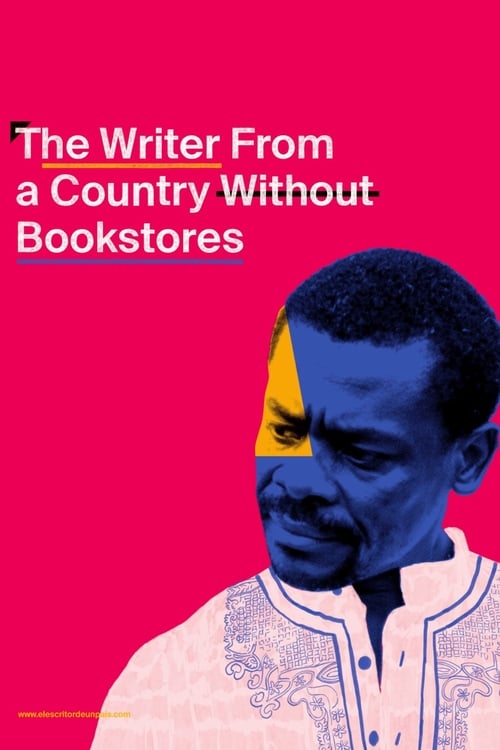
The ruthless dictator Teodoro Obiang has ruled Equatorial Guinea with an iron hand since 1979. Juan Tomás Ávila Laurel is the most translated Equatoguinean writer, but he had to flee the country in 2011, after starting a hunger strike denouncing the crimes of the dictatorship. Since then, he has lived in Spain, feeling that, despite the risks, he must return and fight the monster with words.
2017
2018
2011

2011
2017
2017
2023
2012
No reviews yet. Be the first to share your thoughts on this movie!
Use the rating form above to leave a star rating and optional review.