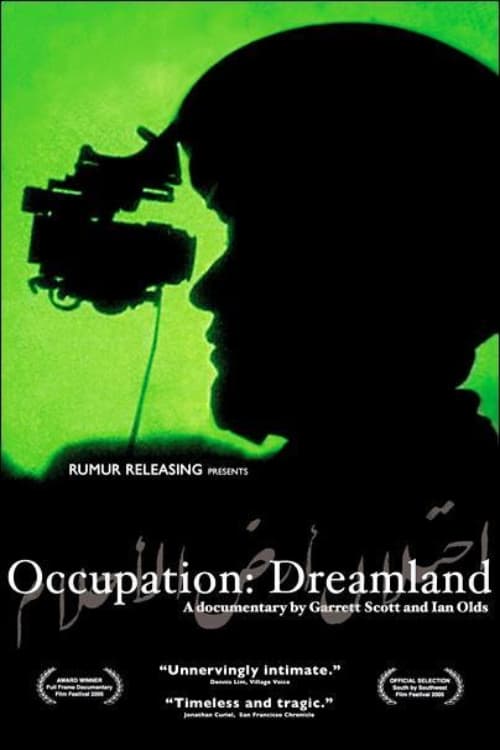
Occupation: Dreamland
2005
No user ratings available yet
Representation score: 5.8 out of 10
No Poster Available
Representation Score
Fair
2005
Director
Andrew Berends
Runtime
90 minutes
Average Rating
No ratings yetNew Showbiz Analysis
This film provides a crucial alternative perspective to mainstream war cinema by shifting the focus from Western military forces to the Iraqi people. It effectively challenges the 'Western-as-protagonist' cliché by highlighting local ability to act and the emotional impact of conflict. However, the narrative remains heavily gendered, focusing primarily on male combatants and revenge, which limits the range of social representation. Ultimately, the film excels in cultural immersion and challenging Western hegemony, while staying true to the specific, traditional social roles of its setting.
Category Breakdown
The film does not include any LGBTQ+ characters or themes, reflecting a traditional social framework focused on familial and sectarian issues.
The narrative emphasizes the male experience of war and Ibrahim's quest for revenge. Male protagonists are shown taking a leading role in combat and resistance.
By centering an Iraqi family and the Muslim community, the film breaks away from Western-centric clichés and offers a deep look into the daily lives of the local population.
The film earns high marks by depicting Shia prayer and critiquing Western military intervention. It portrays American presence as a catalyst for local instability.
There is no specific information about the portrayal of physical or neurodivergent disabilities in the film.
Present on Screen
Limited or Absent
Official Synopsis
The film goes behind the scenes of one Iraqi family's struggle to survive amidst the carnage of the growing Shia insurgency. Nineteen-year-old Ibrahim dreams of revenge when his brother is shot and killed by an American patrol. With scenes of fighting and death on the streets of Baghdad, this is the closest most viewers will ever come to being in Iraq; kneeling in prayer amidst a thousand Muslim worshippers, feeling the roar of low-flying Apaches, riding atop a sixty-ton tank, driving with masked resistance fighters to attack American positions, fleeing the threat of an overwhelming response, the blood in the street, a tank on fire, or the cold, distant stare of a dead Iraqi fighter.
2005
2010
2004
2010
2020
2011

2010

2007
No reviews yet. Be the first to share your thoughts on this movie!
Use the rating form above to leave a star rating and optional review.