
Escape From Segovia
1981
No user ratings available yet
Diversity score: 4.6 out of 10
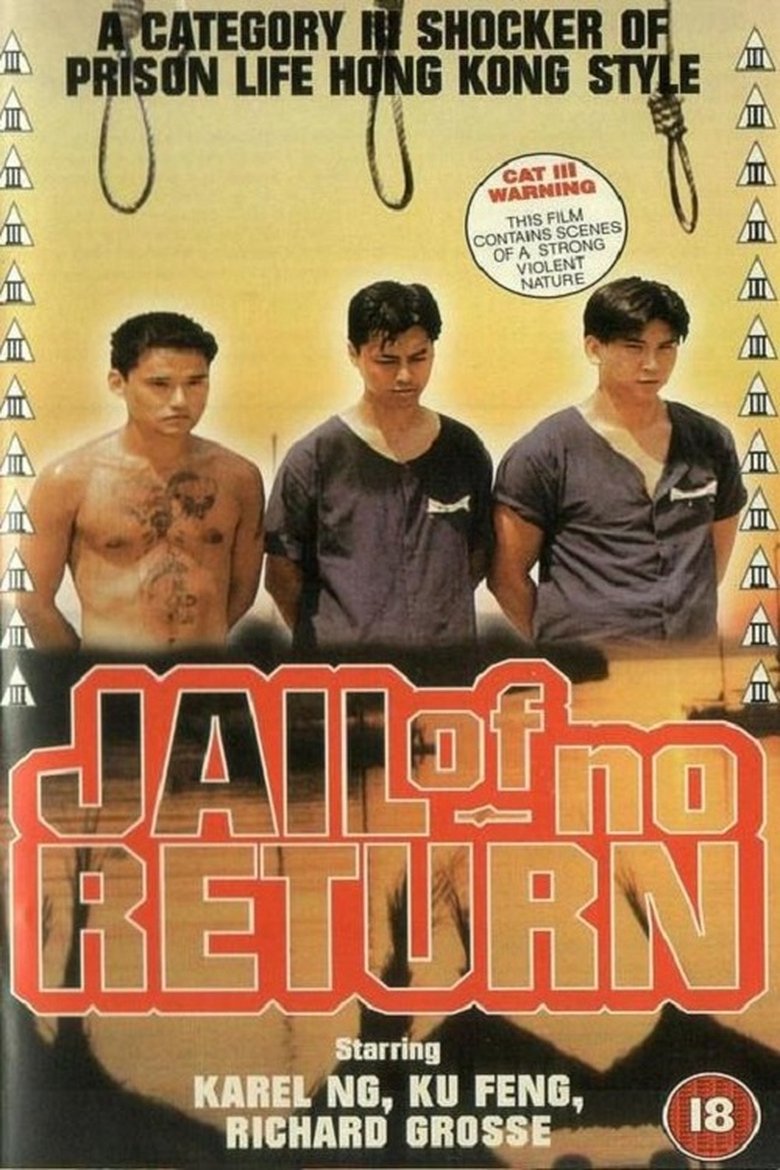
1994
Director
Hugo Ng Doi-Yung
Runtime
96 minutes
Average Rating
No ratings yetSynopsis
Based on true events at an island penal colony near Singapore in the 1950's. Prisoners will have to face all kinds of public humiliations and tortures while they try to figure out how to escape from there.
Overall Score
Fair
Category Breakdown
LGBTQ+ Representation
The film lacks explicit depictions of non-cisnormative identities or same-sex intimacy. The 1950s penal colony setting suggests a period of enforced heteronormativity.
Gender Representation
The narrative centers on masculine hierarchies and traditional power structures typical of a prison environment. There is little evidence of female agency or the subversion of gendered roles.
Racial & Ethnic Diversity
By centering on a Singaporean penal colony, the film disrupts Western-centric historical tropes. The Southeast Asian setting ensures a diverse, non-Anglo-Saxon cast drives the conflict.
Religious & Cultural Diversity
The story critiques colonial-era authority by portraying the penal system as a site of systemic oppression. It frames the state-run colony as a source of trauma rather than justice.
Disability Representation
Physical impairments may serve merely as plot devices to highlight the cruelty of the setting. There is no evidence of neurodivergent or sensory disability representation.
Strengths
Areas for Improvement
AI Analysis
The Jail of No Return is a historical drama that finds its strength in its setting and its critique of colonial power. By focusing on a Singaporean penal colony in the 1950s, the film provides a necessary non-Western perspective on institutional oppression. This geographic focus naturally fosters racial and ethnic diversity, moving away from the standard Western prison narrative. However, the film remains limited by the traditional constraints of its genre and era. The focus on masculine prison hierarchies results in low gender representation, and the lack of visible LGBTQ+ identities reflects the period's social norms. The narrative appears more concerned with systemic cruelty than with the nuanced lived experiences of marginalized identities. Ultimately, the film succeeds as a critique of historical authority but lacks engagement with modern intersectional storytelling. It is a study of survival against a state-run machine rather than a diverse exploration of identity.
1981

2024
2001

2022

2000
2011

1989

1977

2019

1956

1991

1995
No reviews yet. Be the first to share your thoughts on this movie!
Use the rating form above to leave a star rating and optional review.