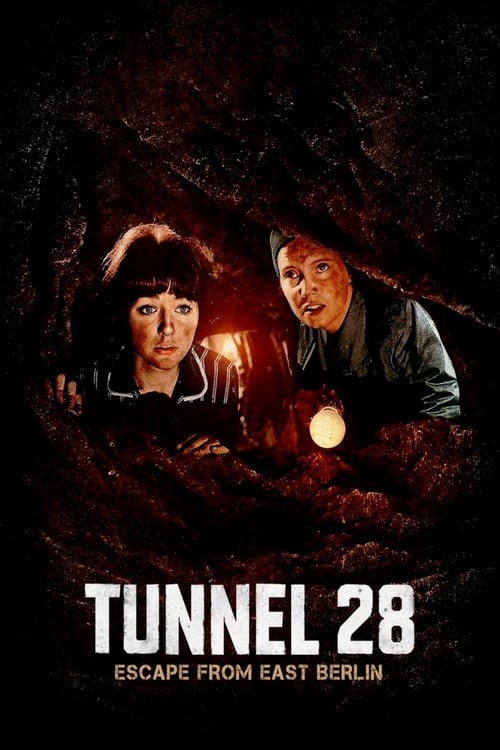
Escape from East Berlin
1962
No user ratings available yet
Representation score: 1.6 out of 10
Representation Score
Fair
2001
Director
Roland Suso Richter
Runtime
150 minutes
Average Rating
No ratings yetNew Showbiz Analysis
The Tunnel is a historical thriller that emphasizes geopolitical tension and individual initiative over modern characters who reflect more than one aspect of diversity. Its narrative is deeply rooted in the specific demographic and social constraints of 1960s divided Berlin. While the film lacks diversity in terms of race, sexual orientation, and disability, it excels in its cultural critique. By depicting the struggle against an oppressive state, the film challenges traditional views of sovereignty and legalism. Ultimately, the film operates as a period-specific drama where the characters' physical abilities and familial bonds drive the plot, leaving little room for broader social representation.
Category Breakdown
The film does not include characters with LGBTQ+ identities or non-assuming gender matches what was assigned at birth gender roles. It follows the traditional social norms of the 1960s setting.
The protagonist's sister plays a crucial role in advancing the plot rather than being a passive figure. However, the narrative focuses on male-led tactical actions.
The story reflects the homogeneous demographics of 1960s Berlin. It lacks diverse ethnic identities, concentrating instead on local German political conflicts.
The narrative challenges state authority by highlighting the illegal activities around the Berlin Wall. It portrays defiance of oppressive institutions as a quest for freedom.
Characters are defined by their physical abilities and athletic capabilities. There is no significant focus on neurodivergence or physical disabilities.
Present on Screen
Limited or Absent
Official Synopsis
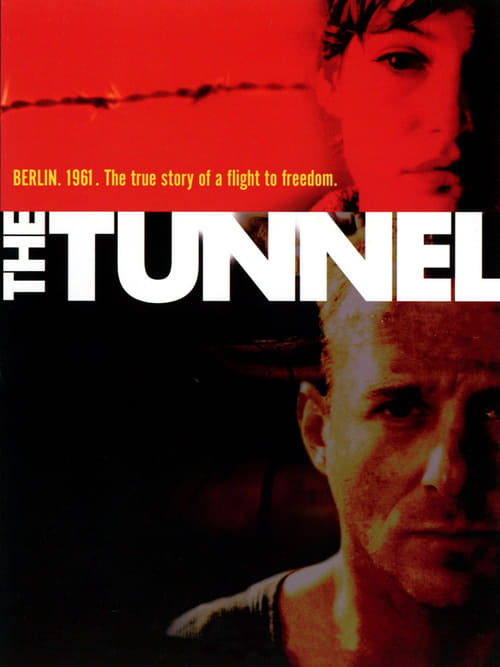
Inspired by true events, Olympic swimmer Harry Melchior defects from East Germany in the 1960s and hatches a daring plot to help his sister and others flee East Berlin through a 145-yard underground tunnel.
1962
1956
1981

2020
2021
1987

2019
1963
No reviews yet. Be the first to share your thoughts on this movie!
Use the rating form above to leave a star rating and optional review.