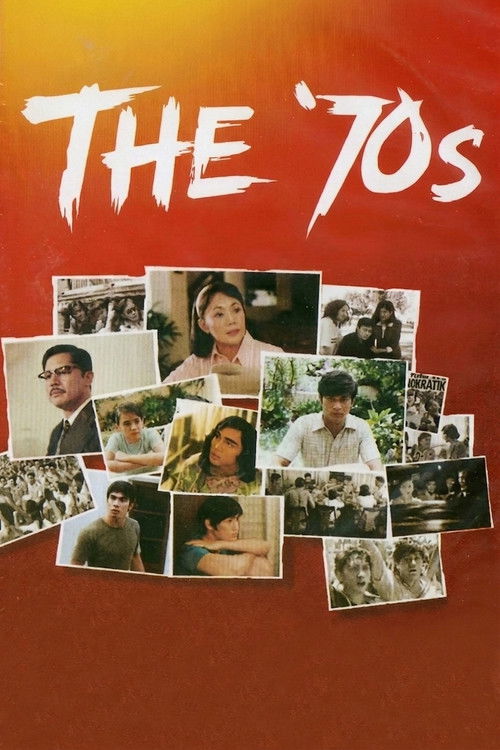
The '70s
2002
No user ratings available yet
Representation score: 9.0 out of 10
Representation Score
Excellent
1995
TV-PGDirector
Chito S. Roño
Runtime
117 minutes
Average Rating
No ratings yetNew Showbiz Analysis
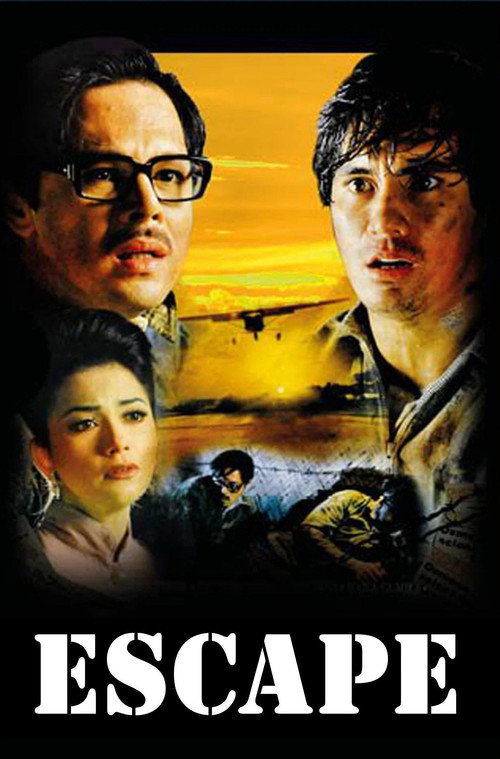
Eskapo serves as a powerful critique of systemic authoritarianism, using shared trauma to challenge class-based social stratifications. The film excels by focusing on a specific Filipino political struggle, offering a narrative that avoids the typical Western lens of historical drama. Its strength lies in deconstructing traditional masculine archetypes and highlighting institutional corruption. By presenting diverse ways of coping under pressure, the narrative transforms a simple thriller into a study of individual ability to act. However, the film’s focus on male-centric survival and the lack of explicit confirmation of the characters' romantic orientations limit its broader representation. While the characters navigate physical trauma with ability to act, the narrative remains primarily centered on the psychological impact of state violence.
Category Breakdown
Serge's sensitive and outgoing personality offers a nuanced take on traditional masculine roles. Though his sexual orientation isn't explicitly stated, the chemistry between him and another character hints at a possible queer-coded relationship.
The film challenges traditional views of masculinity by showcasing a sensitive character alongside a conservative businessman. This pairing emphasizes emotional intelligence and vulnerability as key traits for resilience.
By focusing on a Filipino narrative set during the Marcos era, the film avoids a Western perspective. Instead, it highlights specific socio-political realities and the reclaiming of national identity against an oppressive state.
The story critiques authoritarianism by depicting state and legal institutions as corrupt. It also highlights how wealth cannot protect against systemic oppression, rejecting capitalist hierarchies.
Physical and mental torture play central roles in illustrating state cruelty. Despite facing severe trauma, the characters maintain ability to act and are not defined solely by their injuries.
Present on Screen
Limited or Absent
Official Synopsis
Set during the terrifying reign of Filipino despot, Marcos, two upper caste but very different strangers team up to try and survive the physical and mental torture they undergo after they are suddenly jailed. Geny is the conservative businessman while Serge is more sensitive and outgoing. Both of the young men's parents give all of their money, but the government refuses to free them. Even a mutual hunger strike fails to move their jailers. In desperation, Geny and Serge begin plotting their escape.
2002
2020
1976

1947

1971
1997
1971

1985
No reviews yet. Be the first to share your thoughts on this movie!
Use the rating form above to leave a star rating and optional review.