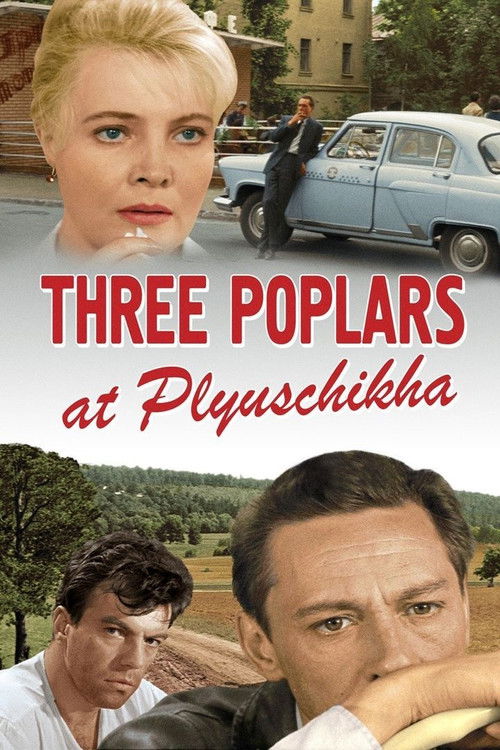
Three Poplars on Plyuschikha Street
1968
No user ratings available yet
Representation score: 7.2 out of 10

Representation Score
Fair
1963
Director
Isidor Annensky
Runtime
87 minutes
Average Rating
No ratings yetNew Showbiz Analysis
The film offers a moderate level of gender empowerment by centering a female protagonist in a professional, technical role. This disrupts some traditional expectations of femininity for the time. However, the narrative remains bound by the social and cultural norms of 1963 Soviet cinema. The focus on a woman’s desirability and the likely ethnic homogeneity of the setting limits its depth. Ultimately, the work functions as a traditional character drama that prioritizes community cohesion and collective labor over subversive identity politics.
Category Breakdown
The film doesn't show non-straight relationships or same-sex intimacy. It focuses on a woman being admired by male passengers, which follows a traditional romantic storyline.
Svetlana represents women in a technical, male-dominated role as a trolleybus driver. However, her role might be limited by the emphasis on her attractiveness and desirability.
The cast likely reflects the ethnic homogeneity typical of 1963 Soviet regions. There is no indication of intentional racial diversity or blending within the small-town setting.
The story aligns with mid-century collectivist values and secular labor. It emphasizes social stability and community cohesion without challenging established institutions or religious morality.
There are no visible or invisible disabilities shown in the narrative. No specific character details regarding disability are present.
Present on Screen
Limited or Absent
Official Synopsis
Svetlana, young pretty girl, works as a trolleybus driver in a small town and almost all her permanent passengers are at least a little bit in love with her.
1968
1966

1966
1986
1977

1965

1966
1984
No reviews yet. Be the first to share your thoughts on this movie!
Use the rating form above to leave a star rating and optional review.