Maxime
1958
No user ratings available yet
Representation score: 2.5 out of 10
Representation Score
Limited
1988
Director
Jean-François Amiguet
Runtime
80 minutes
Average Rating
No ratings yetNew Showbiz Analysis
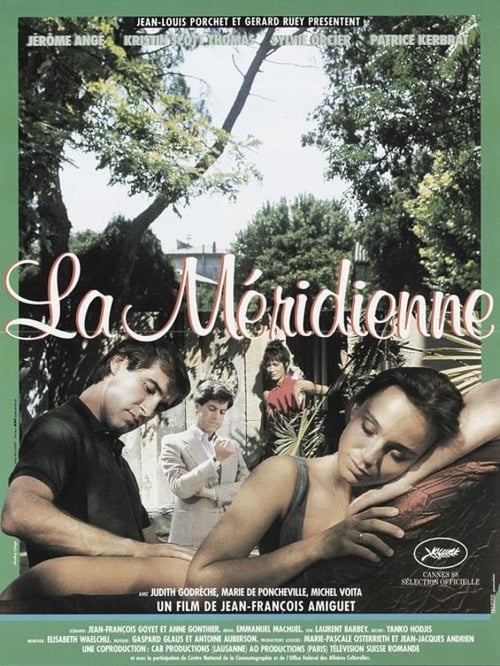
La Méridienne functions as a traditional European comedy of manners, centered around a male projectionist's quest for domestic stability through marriage. The narrative structure heavily relies on established romantic clichés and conventional courtship rituals. The film's perspective is predominantly focused on masculine ability to act, with the male protagonist steering the story's progression. Female characters play crucial roles but remain tied to the protagonist's central romantic journey. Overall, the work reflects the social homogeneity of its time. It prioritizes traditional social hierarchies and conventional structures rather than critiquing broader societal norms.
Category Breakdown
The film focuses on a traditional search for a marriageable partner, with no indication of non-traditional gender identities or disruptions of conventional romantic frameworks.
The story is driven by the male protagonist's pursuit of a romantic partner. Women play key roles but primarily serve as objects of pursuit or facilitators of plot progression.
The narrative seems to adhere to the homogeneous social structures typical of late-80s European cinema. There is no evidence of diverse casting or racial blending.
The comedy of manners framework emphasizes traditional domestic norms. The focus on marriage aligns with conventional social institutions and family formation.
The synopsis does not mention any characters with visible or invisible disabilities.
Present on Screen
Limited or Absent
Official Synopsis
This uneven comedy of manners concerns a young film projectionist (Jerome Ange) who sets out to find a marriageable woman. He sets his sights on two women he has lived with for nearly ten years (Kristin Scott-Thomas and Sylvie Orcier). For some reason, the projectionist encourages one of the women to hire a private detective (Patrice Kerbrat) to monitor his romantic activities.
1958

1997

1984

1981

1984
1986
1954

1983
No reviews yet. Be the first to share your thoughts on this movie!
Use the rating form above to leave a star rating and optional review.