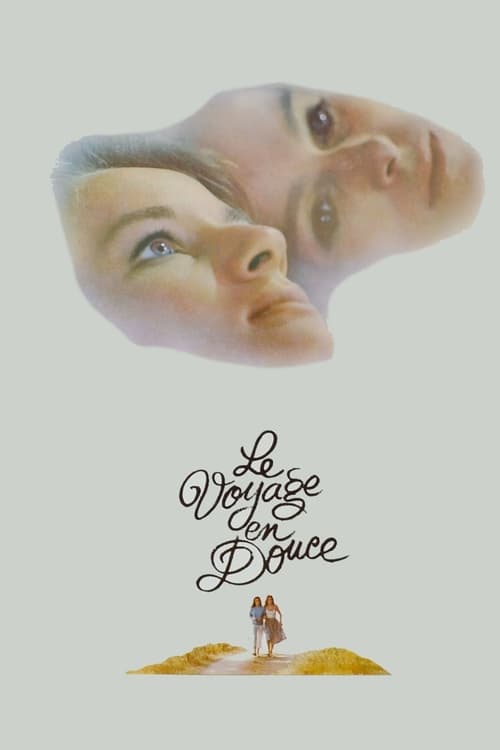
A Sweet Journey
1980
No user ratings available yet
Diversity score: 4.9 out of 10

1986
Director
Jean-François Stévenin
Runtime
90 minutes
Average Rating
No ratings yetSynopsis
In a routine look at what it means to finally leave adolescence behind — even in one’s mature years — this series of mood swings and sequences focuses on two grown men. Francois (Jean Francois Stevenin, the director) and Leo (Yves Alonso) are old friends, and at one point they decide to go out and search for one of their childhood buddies, the brunt of several of their practical jokes. In true form, the men opt for playing yet another practical joke on their friend, but their plans backfire when his wife Helene (Carole Bouquet) comes into the picture instead. Her presence forces them to reconsider their shenanigans in a new light.
Overall Score
Fair
Category Breakdown
LGBTQ+ Representation
The film centers on the intense, long-standing bond between François and Léo. While it lacks explicit queer identities, the focus on male intimacy and lingering childhood attachments suggests a preoccupation with complex male dynamics.
Gender Representation
The story initially emphasizes male camaraderie and shenanigans. However, Hélène acts as a vital catalyst, serving as a moral and intellectual pivot point rather than a passive character.
Racial & Ethnic Diversity
This localized French production appears to focus on a specific social milieu. There is no evidence of a multi-ethnic cast, adhering to the demographic norms of its era.
Religious & Cultural Diversity
The narrative explores the transition to maturity through a lens of subjective morality. It critiques social stability by favoring a chaotic, individualistic exploration of human behavior.
Disability Representation
The available information does not mention any depictions of physical or neurodivergent disabilities.
Strengths
Areas for Improvement
AI Analysis
Double Messieurs is a character-driven study that prioritizes atmosphere and interpersonal dynamics over traditional narrative structures. It succeeds in subverting certain tropes by using a female character to disrupt a male-centric social environment. However, the film lacks significant demographic breadth. The focus remains heavily on a specific French social milieu, resulting in low racial and ethnic diversity. The narrative also lacks explicit representation of LGBTQ+ identities or disabilities. Ultimately, the film offers a moderate level of representation by challenging conventional social expectations and moral stability, even if it stays within a narrow demographic scope.
1980

1961
1989
1974
1995

2008
2003
1985

2018
1954

1997
1969
No reviews yet. Be the first to share your thoughts on this movie!
Use the rating form above to leave a star rating and optional review.