
A Dog's Best Friend
1959
No user ratings available yet
Representation score: 0.4 out of 10
Representation Score
Limited
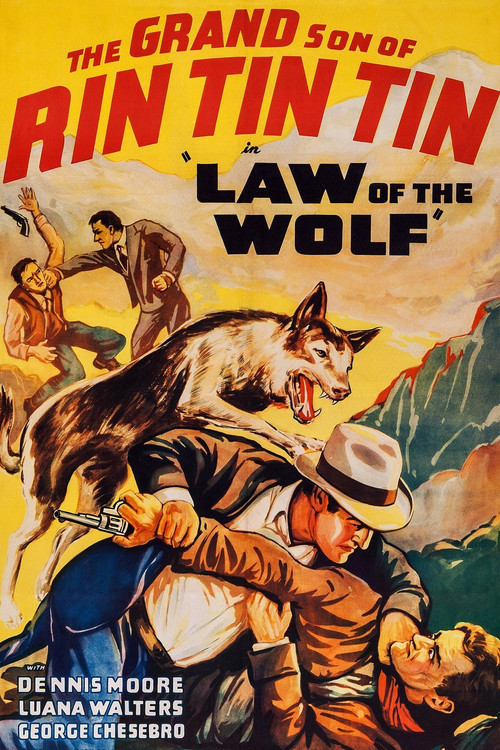
1939
ApprovedDirector
Raymond K. Johnson
Runtime
55 minutes
Average Rating
No ratings yetNew Showbiz Analysis
Law of the Wolf is a product of the 1930s studio system, prioritizing conventional morality and traditional social hierarchies. The narrative structure centers on a male lead seeking redemption, aligning with the standard Western clichés of the period. The film lacks complexity in representing diverse identities or systemic critiques. It functions as a restorative drama that reinforces the status quo of its era. Ultimately, the film serves as a snapshot of early Hollywood's reliance on homogeneous depictions and established social orders.
Category Breakdown
The film does not depict any non-straight identities or same-sex relationships. It follows the strict heterosexual norms typical of 1939 cinema.
The story focuses on a male protagonist and his dog, reinforcing traditional masculine roles without challenging established gender hierarchies.
The production likely centers on Anglo-Saxon characters, following era-specific stereotypes. Non-white individuals are probably relegated to peripheral or stereotypical roles.
The plot emphasizes restoring social order through established moral frameworks. It promotes a singular, restorative morality without critiquing Western institutions.
There is no evidence of neurodivergent or physical disability representation. Any such portrayals would likely serve as mere plot devices.
Present on Screen
Limited or Absent
Official Synopsis
When a man is wrongly accused of murder, a dog helps clear his name.
1959
1948
1931
1927
1959

1967
1923

1946
No reviews yet. Be the first to share your thoughts on this movie!
Use the rating form above to leave a star rating and optional review.