Mouse Menace
1946
No user ratings available yet
Representation score: 0.6 out of 10
Representation Score
Minimal
1949
Director
Arthur Davis
Runtime
7 minutes
Average Rating
No ratings yetNew Showbiz Analysis
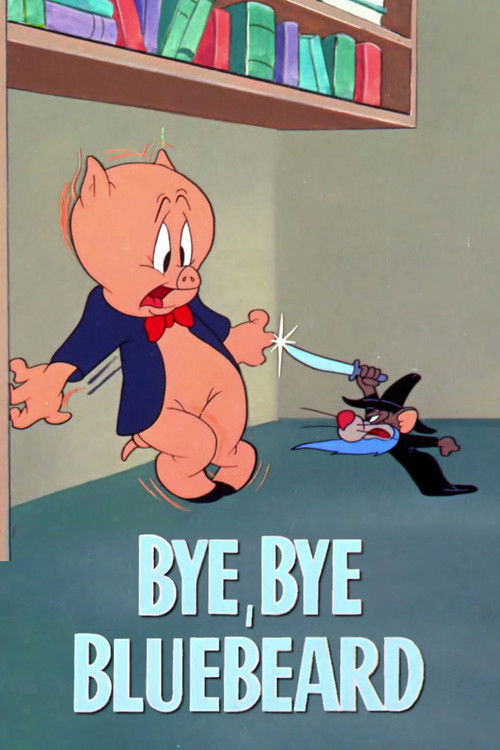
Bye, Bye Bluebeard is a typical mid-century animation that focuses on slapstick humor rather than challenging social norms. The narrative structure relies on well-established character archetypes and kinetic humor rather than social deconstruction. The film operates within the demographic and social norms of the 1940s. It lacks intentional efforts to disrupt social hierarchies, focusing instead on a conventional protagonist overcoming external threats. Ultimately, the work reflects the production constraints of the Golden Age of American animation, offering limited progressive or diverse character dynamics.
Category Breakdown
The film does not include any LGBTQ+ characters or narratives that question the assumption that everyone is straight or cisgender. It follows the typical heterosexual and asexual character dynamics common in 1949 animation.
Gender roles in the film are traditional, focusing on Porky Pig's interactions with a mouse and a serial killer. Female characters do not demonstrate significant control over their own stories or challenge male leadership.
The film follows the standard demographic norms for mid-century American animation. There is no indication of a non-white majority cast or efforts to challenge racial hierarchies.
The film aligns with traditional Western comedic structures and post-war morality plays. It reinforces established social and moral hierarchies rather than challenging them through secular or anti-Western themes.
The film does not provide any evidence regarding the inclusion or portrayal of characters with physical or neurodivergent disabilities.
Present on Screen
Limited or Absent
Official Synopsis
Porky has a series of altercations with a mischievous mouse and a vicious serial killer.
1946
1946
1949

1966
1949
1947
1946
1949
No reviews yet. Be the first to share your thoughts on this movie!
Use the rating form above to leave a star rating and optional review.