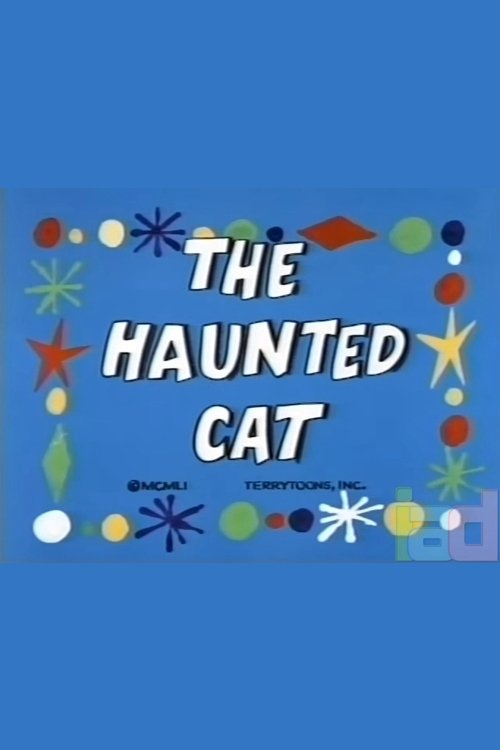
The Haunted Cat
1951
No user ratings available yet
Representation score: 1.2 out of 10
No Poster Available
Representation Score
Minimal
1951
ApprovedDirector
Mannie Davis
Runtime
7 minutes
Average Rating
No ratings yetNew Showbiz Analysis
Pastry Panic is a conventional mid-century animated short that relies on traditional slapstick comedy. The narrative follows a restorative moral arc where a cat overcomes guilt after a kitchen mishap involving a mouse. The film reflects the non-subversive media landscape of 1951. It lacks intentionality regarding the way different parts of someone's identity overlap, instead adhering to the standard, homogeneous domesticity typical of the era's animation. Because the story focuses on animal characters in a domestic setting, it avoids complex social themes, resulting in a narrow scope of representation.
Category Breakdown
The film does not depict any non-binary gender identities or same-sex relationships. The story revolves around a domestic interaction between animals set in a 1950s context.
The narrative features a mouse and a cat in a slapstick conflict. These anthropomorphized characters do not challenge traditional gender roles or stereotypes.
The setting uses anthropomorphic animals in a homogeneous, Western-centric domestic environment. There is no evidence of diverse ethnic representation or casting actors of different backgrounds.
The plot centers on individual morality and feelings of guilt. It follows a conventional moralizing structure without critiquing Western institutions or cultural norms.
The film provides no evidence regarding the depiction of physical or neurodivergent disabilities.
Present on Screen
Limited or Absent
Official Synopsis
Little Rocqueford is in the kitchen making a cake and accidentally drops an egg on the cat. The cat is highly offended by this affront to his dignity and, in the mêlées that follows, thinks he has killed Little Roqueford. He then suffers great pangs on conscience when he sees that the cake for for his birthday. But the little Mouse is alive and well and the cat is overjoyed.
1951
1952

1957
1951
1939
1954
1955
1952
No reviews yet. Be the first to share your thoughts on this movie!
Use the rating form above to leave a star rating and optional review.