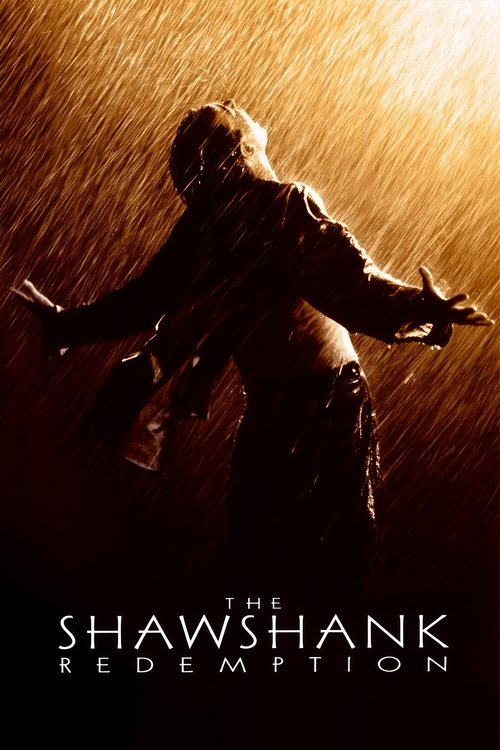
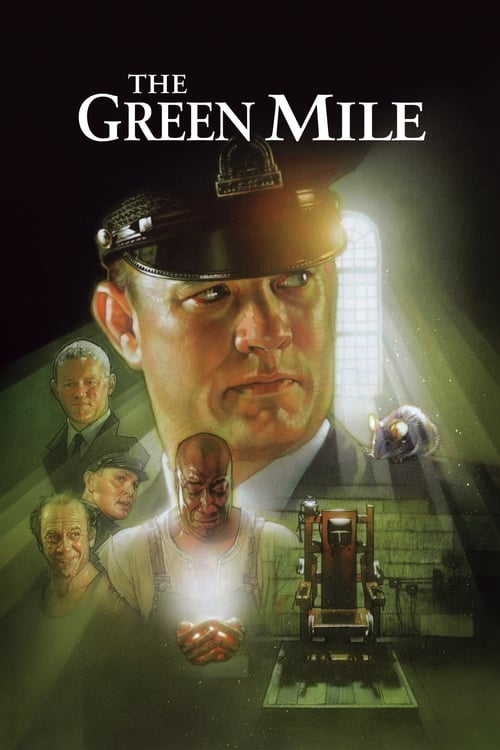
The Shawshank Redemption
1994
No user ratings available yet
Representation score: 4.0 out of 10
Representation Score
Good
1999
RDirector
Frank Darabont
Runtime
189 minutes
Average Rating
No ratings yetNew Showbiz Analysis
The film argues that institutional power, specifically the death penalty, destroys the most innocent and compassionate individuals in its care. It positions the state as a flawed system that fails to recognize or protect genuine goodness, using John Coffey’s execution as a tragedy of systemic failure. The narrative suggests that mercy and wisdom are often found in those the system deems least capable, yet it offers no practical resolution for this injustice. The final moral word is a reflection on the enduring cost of such violence, leaving the audience with a sense of unresolved grief rather than a call for specific reform.
Category Breakdown
No characters identify as LGBTQ+, and no same-sex intimacy or relationships are depicted. The narrative focuses exclusively on heterosexual dynamics and institutional power structures.
Men drive the plot as guards, prisoners, or warden; women appear only as domestic figures. Jan provides emotional support but holds no institutional power, while Melinda’s illness serves as the catalyst for the male protagonist’s moral journey.
John Coffey, a Black man, is the moral and supernatural center of the story, possessing wisdom and power the white guards lack. His innocence contrasts with the systemic brutality of the prison, though his role ultimately reinforces a dynamic where the outsider’s virtue is destroyed by the dominant system.
The film critiques the death penalty and institutional cruelty, framing the state as an obstacle to mercy. Traditional hierarchies are questioned as the guards’ authority is undermined by their own moral failures, and the final word belongs to a reflection on the cost of systemic violence rather than a restoration of order.
John Coffey is described as "simple-minded" and "mentally disabled," a trait that marks him as vulnerable yet pure. His cognitive difference is treated as a source of innocence rather than a barrier, but he remains a passive recipient of the system’s violence, lacking agency to protect himself.
Present on Screen
Limited or Absent
Official Synopsis
A supernatural tale set on death row in a Southern prison, where gentle giant John Coffey possesses the mysterious power to heal people's ailments. When the cell block's head guard, Paul Edgecomb, recognizes Coffey's miraculous gift, he tries desperately to help stave off the condemned man's execution.
1994

1999

1989
1983

2009

1997

2001

2019
No reviews yet. Be the first to share your thoughts on this movie!
Use the rating form above to leave a star rating and optional review.