
The Bargee District
1953
No user ratings available yet
Representation score: 3.9 out of 10

Representation Score
Minimal
1952
NRDirector
Edgar G. Ulmer, Jerónimo Mihura
Runtime
79 minutes
Average Rating
No ratings yetNew Showbiz Analysis
Babes in Bagdad is a product of its time, functioning as a genre-standard escapist comedy. It relies heavily on established mid-century archetypes, particularly through its use of Orientalist settings and traditional gender hierarchies. The film lacks depth in representing diverse identities, favoring comedic clichés over character development. The narrative structure centers on patriarchal power, leaving little room for nuanced cultural or identity-based representation. Ultimately, the work reflects the standard cinematic conventions of 1952, prioritizing Western perspectives of 'exotic' locales and reinforcing traditional social norms.
Category Breakdown
The film follows the traditional assumptions of the 1950s, focusing on straight relationships and ignoring diverse gender identities. The portrayal of the harem setting reinforces traditional gender roles without exploring non-traditional identities.
The story emphasizes masculine leadership through the central figure of the Kadi. Female characters tend to have passive roles or are used as objects of desire within the harem setting.
The production uses stylized caricatures of Middle Eastern culture in an Orientalist setting. Ethnic identity is treated as a comedic device rather than a nuanced exploration.
The film operates within mid-century Western comedic clichés, emphasizing exoticized views of foreign locales. It highlights conventional social structures and escapism over critical analysis.
There is no discernible evidence regarding the portrayal of physical or neurodivergent disabilities in this work.
Present on Screen
Limited or Absent
Official Synopsis
The Kadi of Bagdad has harem troubles in this low budget comedy from Edgar Ulmer.
1953

1952

1968
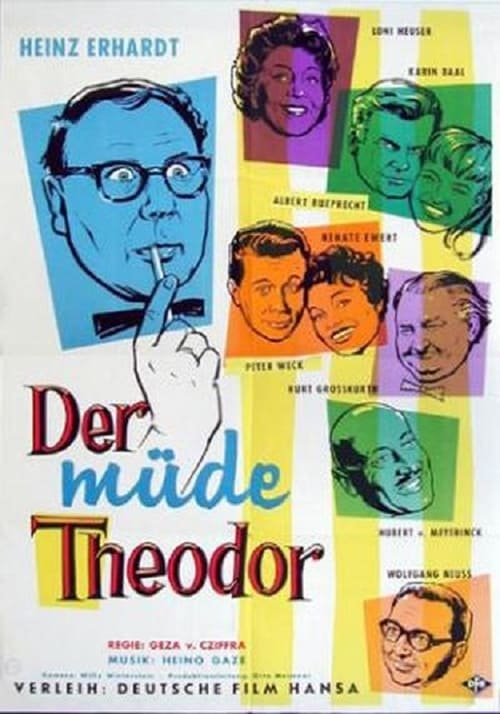
1957
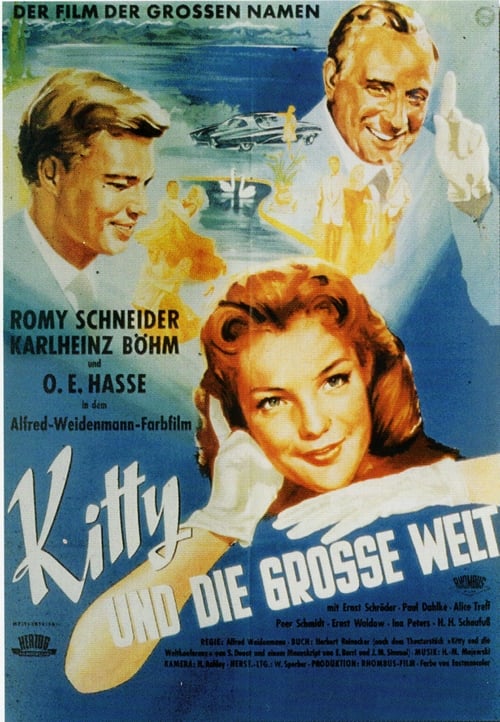
1956

1958

1958

1958
No reviews yet. Be the first to share your thoughts on this movie!
Use the rating form above to leave a star rating and optional review.