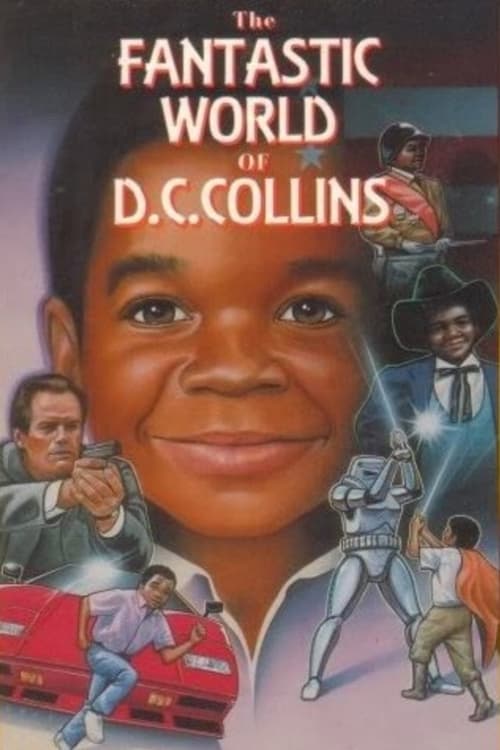
The Fantastic World of D.C. Collins
1984
No user ratings available yet
Representation score: 3.5 out of 10
Representation Score
Limited
1971
TV-14Director
William A. Graham
Runtime
73 minutes
Average Rating
No ratings yetNew Showbiz Analysis
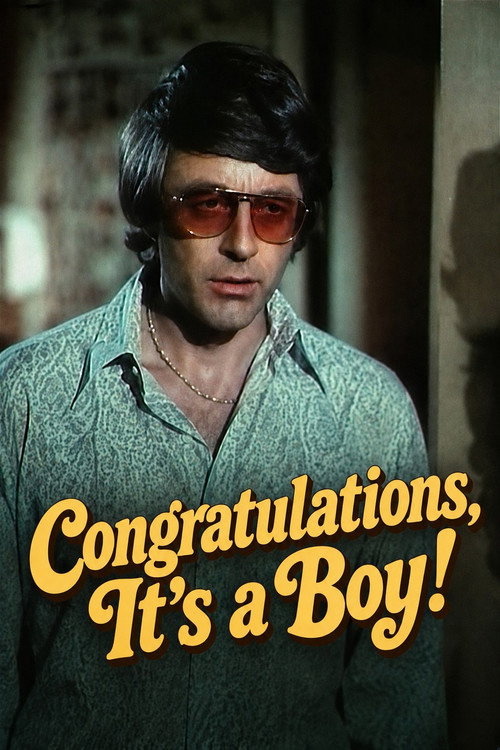
The film presents a conventional 1971 suburban comedy where a bachelor accepts his unknown teenage son. The narrative relies on traditional gender roles, with the female partner managing domestic chaos while the men provide comic incompetence. The cast is entirely white, reflecting the homogeneous setting of the time. The story treats the nuclear family as the primary source of stability and moral resolution. Biological family ties are affirmed without critique, and the plot resolves through acceptance of lineage. There is no on-screen representation of LGBTQ+ identities, disabilities, or non-white characters. The overall diversity score of 15 reflects the limited representation across categories. The film offers a straightforward, traditional view of family and gender roles, with no subversion or expansion of these norms. The evidence supports a low score due to the absence of diverse perspectives and characters.
Category Breakdown
No LGBTQ+ characters, relationships, or identities appear in the story. The narrative focuses entirely on heterosexual family dynamics and biological lineage. There is no on-screen representation of queer experiences or identities.
Gender roles are conventional, with the female partner managing domestic chaos while the men bumble. The woman handles the emotional and logistical labor, providing stability against male incompetence. This dynamic reinforces traditional expectations of gendered responsibilities within the household.
The cast is entirely white, reflecting the 1971 suburban setting. Non-white characters are absent from the cast and narrative. The story takes place in a homogeneous, middle-class environment without addressing racial diversity.
Religious institutions are mentioned but not central to the plot. The narrative resolves through the acceptance of biological family ties and traditional values regarding parenthood. Cultural representation is limited to the specific norms of a 1971 American suburb.
No characters with visible disabilities or lasting impairments are depicted. The story does not address disability or physical limitations. All characters appear able-bodied, with no on-screen representation of disability experiences.
Present on Screen
Limited or Absent
Official Synopsis
A bachelor's life is interrupted by the appearance of a teenager who claims to be his son.
1984
1985

2001
1992

2005
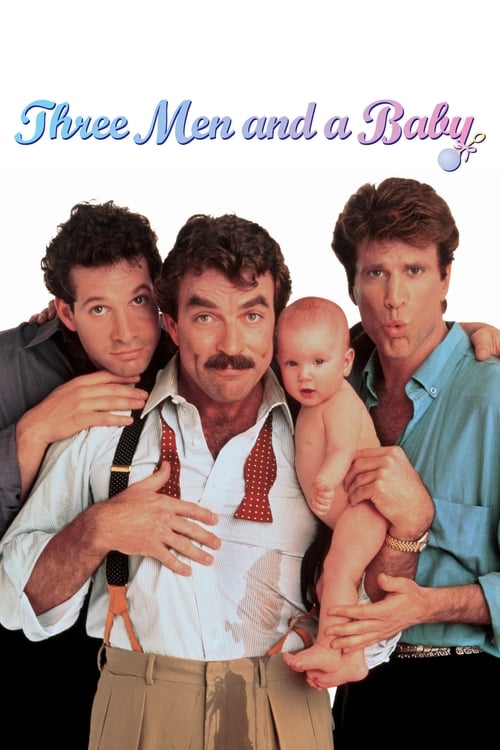
1987
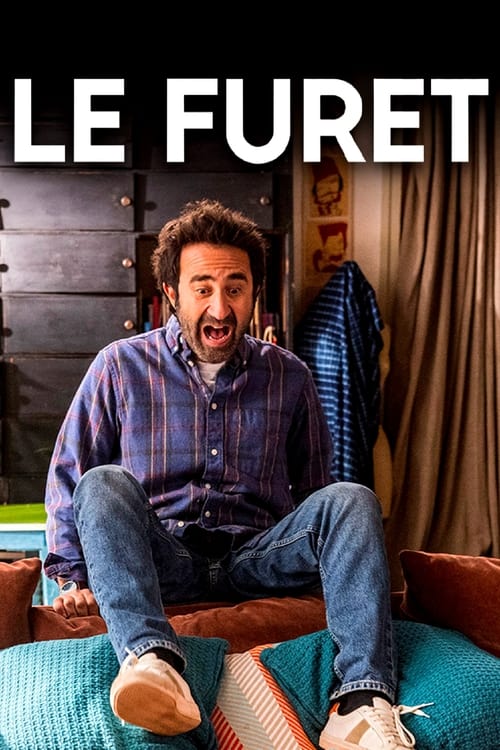
2021

2012
No reviews yet. Be the first to share your thoughts on this movie!
Use the rating form above to leave a star rating and optional review.