
Hero in the Family
1986
No user ratings available yet
Representation score: 5.2 out of 10
Representation Score
Limited
1984
UnratedDirector
Leslie H. Martinson
Runtime
100 minutes
Average Rating
No ratings yetNew Showbiz Analysis
The film captures the essence of 1980s media by providing significant racial representation while lacking broader social critiques. By placing a Black actor in a leading role, the production challenges the era's tendency towards white-dominated casts. However, the narrative remains tied to traditional frameworks, focusing on character-driven humor within established cultural norms. It does not offer much diversity in other key social categories.
Category Breakdown
The film does not include any LGBTQ+ characters or narratives. It follows the standard assumptions that everyone is straight and cisgender, which was common in 1980s television.
The story centers on traditional family dynamics with a child protagonist. There is no clear evidence of a systematic challenge to the roles and expectations typically associated with gender.
Casting Gary Coleman in a central role where he plays a significant part in driving the story provides meaningful representation. Having a Black actor in a leading role breaks the era's usual homogeneous casting practices.
The plot involves a U.S. diplomat's family interacting with Western institutions. The narrative stays within conventional boundaries and does not critique these systems.
There is no information about the portrayal of physical or neurodivergent disabilities in the film.
Present on Screen
Limited or Absent
Official Synopsis
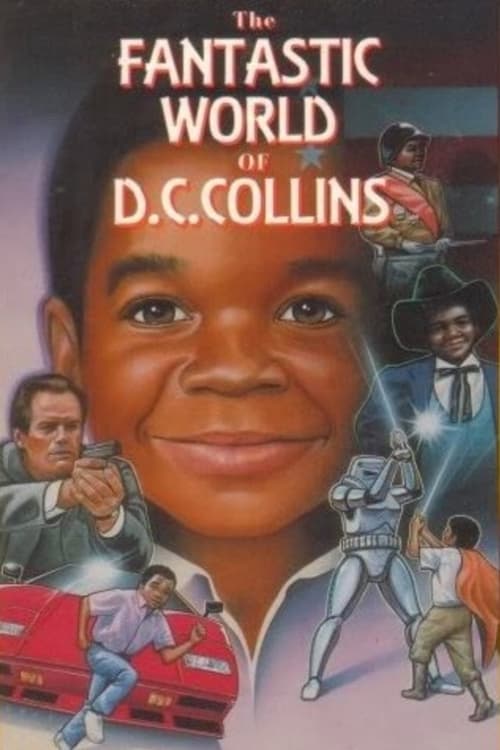
Gary Coleman plays the son of a U.S. diplomat who imagines himself in fantastic situations.
1986

1992

1994
1992
1983

1977

2020

2011
No reviews yet. Be the first to share your thoughts on this movie!
Use the rating form above to leave a star rating and optional review.