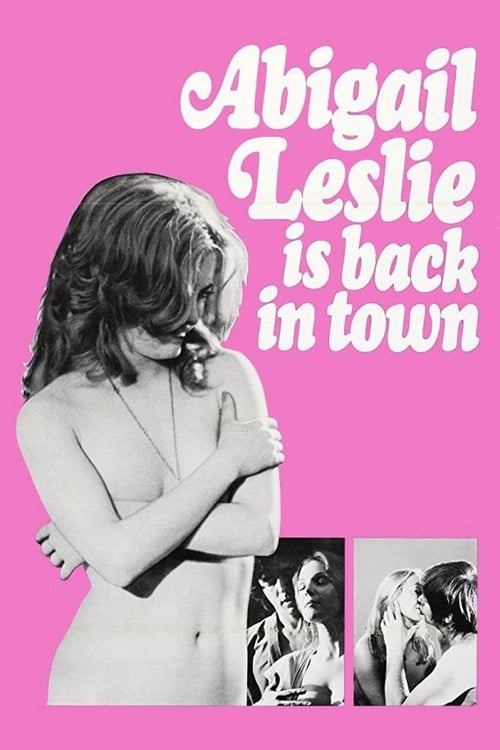
Abigail Leslie Is Back in Town
1975
No user ratings available yet
Representation score: 7.9 out of 10
Representation Score
Fair
1976
Director
Joseph W. Sarno
Runtime
100 minutes
Average Rating
No ratings yetNew Showbiz Analysis
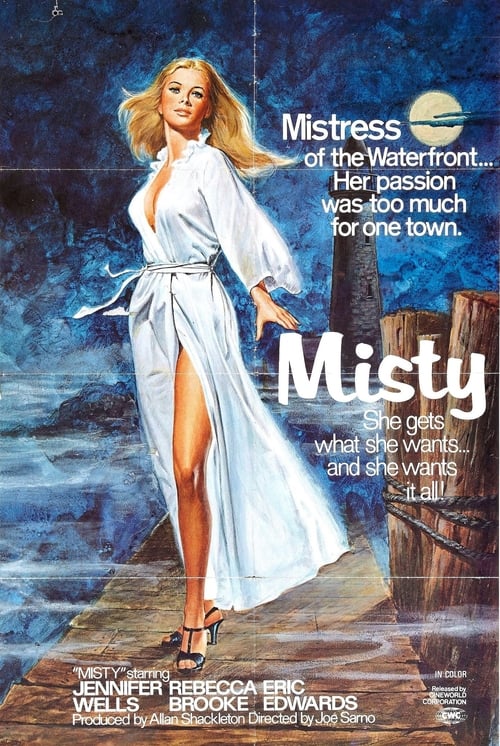
Misty occupies a transitional space in 1970s independent cinema. It succeeds in challenging the era's standard binary characterizations by placing a bisexual artist at the heart of its social landscape. This provides a meaningful departure from mainstream straight-centered norms. However, the film's impact is limited by its demographic homogeneity. The lack of racial diversity and disability representation prevents it from achieving a more inclusive social scope. Ultimately, the film's strength lies in its critique of religious hypocrisy and its exploration of unconventional social structures. It offers a pluralistic view of morality that pushes against the singular ideals of the period.
Category Breakdown
The film focuses on a bisexual artist, providing a rare platform for non-straight relationships in 1976. This character disrupts traditional domestic structures through their social circle.
Female characters drive the plot through artistic expression and maternal searches. However, the narrative also explores traditional gendered conflicts between liberation and moral guardianship.
The film lacks evidence of a non-white majority cast or significant racial blending. It appears focused on localized interpersonal dynamics within a demographic homogeneity.
A tension exists between bohemian lifestyles and religious institutions. The story critiques religious performativity by juxtaposing a bisexual artist against a secretive Christian woman.
There is no evidence of characters with visible or invisible disabilities serving as central narrative figures.
Present on Screen
Limited or Absent
Official Synopsis
Misty arrives in a small town to look for her mother who abandoned her 22 years ago. She stays with a bisexual artist and her friends and models for her. Meanwhile, a Christian woman with a secret tries to save her perverted niece.
1975
1970
1964

1961
1995
1977
1973
1957
No reviews yet. Be the first to share your thoughts on this movie!
Use the rating form above to leave a star rating and optional review.