9 Days at Raqqa
2020
No user ratings available yet
Representation score: 6.0 out of 10
Representation Score
Good
2016
PGDirector
Emma Piper-Burket
Runtime
52 minutes
Average Rating
No ratings yetNew Showbiz Analysis
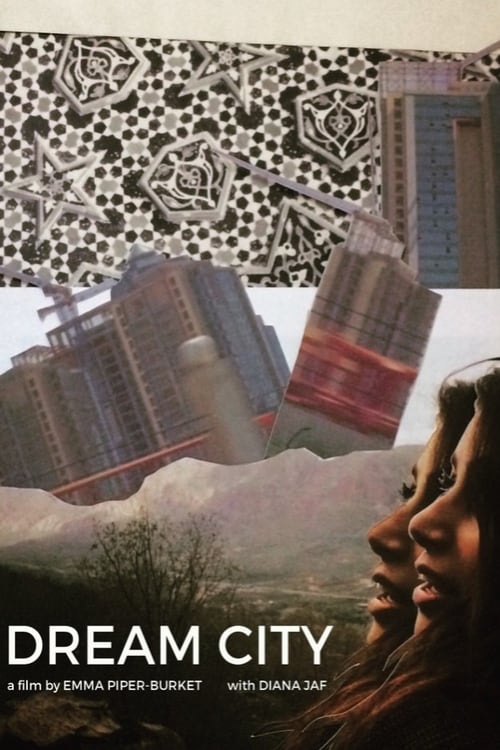
Dream City succeeds by shifting the focus of geopolitical conflict from macro-political movements to the subjective, internal realities of individuals. By centering a Kurdish woman's journey from urban independence to systemic confinement, the film challenges traditional war movie clichés. The film excels in providing non-Western narrative ability to act and ethnic visibility. It effectively challenges Western-centric media hierarchies by prioritizing local perspectives and the lived experience of those navigating regional upheaval. However, the film lacks engagement with LGBTQ+ identities and does not feature specific disability representation. The narrative remains focused on the intersection of personal ambition and systemic instability.
Category Breakdown
The film does not explicitly depict LGBTQ+ identities or relationships outside of straight and cisgender norms. It focuses on the friendship and regional socio-political pressures between the leads.
The film highlights women's ability to drive the story through protagonists who pursue careers and intellectual autonomy. Diana is shown as an independent actor before external conflicts force her into more domestic roles.
By centering a Kurdish woman's experience, the film provides high visibility to a non-Western population. This approach challenges the traditional Western perspective in geopolitical storytelling.
The narrative critiques how extremist ideologies and conflict disrupt normal life and individual liberty. It portrays the psychological retreat used to resist oppressive external social structures.
There is no evidence of characters navigating visible or invisible disabilities as a primary identity marker. The film focuses on the psychological impacts of war rather than specific disability representation.
Present on Screen
Limited or Absent
Official Synopsis
In Iraqi Kurdistan, two friends — Emma, a filmmaker from the US, and Diana, a local aspiring actress — make a movie. When they begin Diana is living on her own in Erbil, Iraqi Kurdistan's buzzing capital city. She is studying to be a flight attendant and enjoying the freedom of being independent and young in a growing city. When war returns to Iraq with the invasion of ISIS, Diana moves back to her mother's home in Sulaymaniyah. Now her days pass quietly, mostly indoors. In the darkness of frequent power outages, Diana builds a dream city in her mind.
2020
2016
2016
2019
2018

2019

2017

2016
No reviews yet. Be the first to share your thoughts on this movie!
Use the rating form above to leave a star rating and optional review.