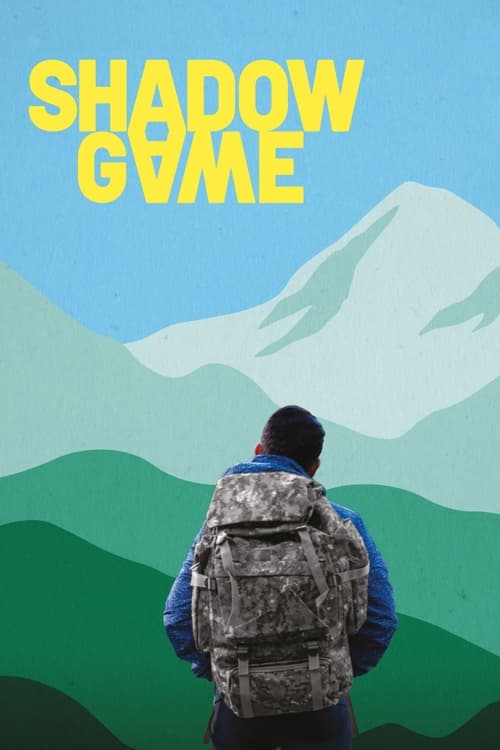
Shadow Game
2021
No user ratings available yet
Representation score: 9.2 out of 10

Representation Score
Good
2016
PGDirector
Lieven Corthouts
Runtime
76 minutes
Average Rating
No ratings yetNew Showbiz Analysis
The film shifts the focus away from Western-centric perspectives, emphasizing the ability to act of displaced populations. By following characters over four years, it avoids voyeuristic clichés of suffering and instead highlights intellectual and social achievements. While the documentary excels in racial and cultural representation, it remains neutral regarding LGBTQ+ identities. The work disrupts traditional documentary frameworks, replacing 'poverty porn' with a nuanced look at how underrepresented youth navigate systemic instability.
Category Breakdown
The film does not include any explicit LGBTQ+ storylines or characters who identify outside the cisgender norm. It focuses on the survival and academic goals of refugee youth.
Female characters like Nyakong and Khadijo play key roles in driving the story through their intelligence and resilience. They compete for scholarships and build their own futures.
The documentary centers on a mostly non-white cast living in the Turkana desert. It portrays characters of color as active architects of their lives.
The film critiques Western-centric ideas of stability and home. It presents the refugee camp as a temporary holding area rather than a long-term solution for the displaced.
There is no mention of characters dealing with physical or neurodivergent disabilities in the available information.
Present on Screen
Limited or Absent
Official Synopsis
How to build a home in a place called nowhere? Kakuma refugee camp, built in the middle of the Turkana desert (Kenya), is the fastest growing city in the region. Many of its new arrivals are children sent out of conflict zones by their parents. Against all odds, these children grab all opportunities in the camp to rebuild their life. While waiting for her mother to return from South Sudan, Nyakong (8) starts to go to school. Slowly she creates a new home in the camp. At the age of 17, teenagers like Claude and Khadijo consequently compete for international scholarships, get a job, even build their own house. Filmmaker Lieven Corthouts decided to stay in one of the toughest places on earth and make this camp his home. While filming his friends for more than 4 years, he unveils the accomplishments of these strong, smart children and the true dynamics of a refugee camp. Can Kakuma really offer a future? Or is it just a waiting room, where the only option is to plan your journey to Europe?
2021
2009
2016
2016
2019
2016
2017
2019
No reviews yet. Be the first to share your thoughts on this movie!
Use the rating form above to leave a star rating and optional review.