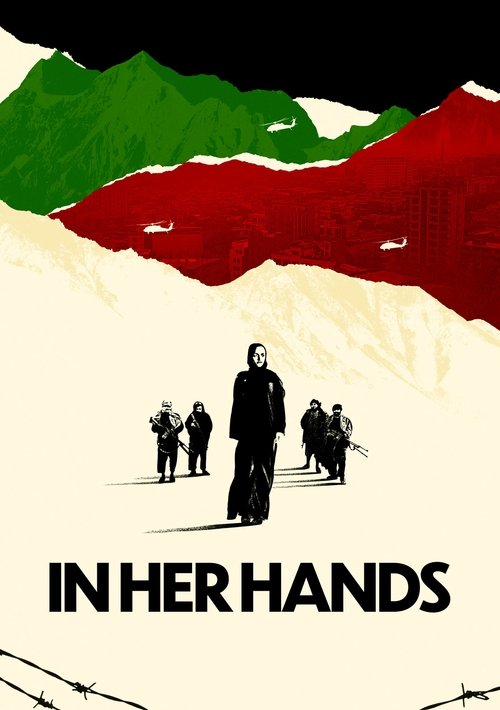
In Her Hands
2022
No user ratings available yet
Representation score: 6.8 out of 10
Representation Score
Fair
2020
Director
Xavier de Lauzanne
Runtime
88 minutes
Average Rating
No ratings yetNew Showbiz Analysis
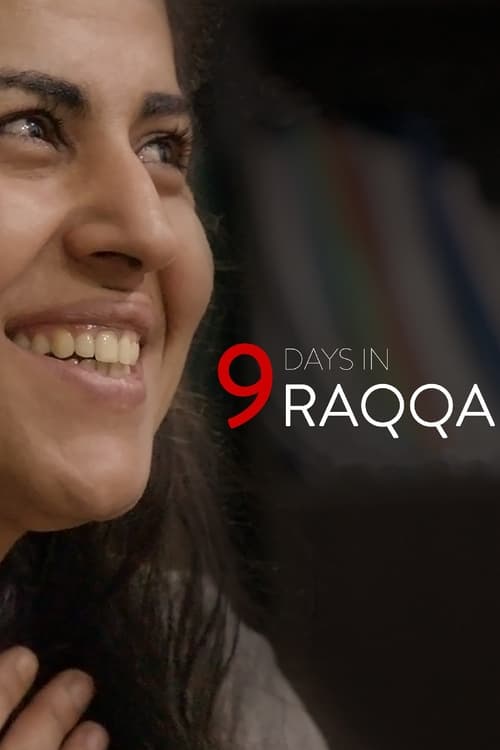
9 Days at Raqqa excels by centering female leadership and authentic Middle Eastern identities. By focusing on Leila Mustapha’s role as a mayor and engineer, the film avoids the common cliché of passive female roles in war zones, instead highlighting professional ability to act and democratic aspirations. The documentary provides deep cultural immersion through its focus on the Kurdish and Syrian populations. It avoids Western-centric perspectives by allowing real-life subjects to drive the narrative, offering a culturally specific look at life in a post-conflict zone. However, the film's narrow focus on immediate survival and geopolitical reconstruction limits its multi-layered breadth. The lack of explicit LGBTQ+ narratives and disability representation prevents a higher overall diversity score.
Category Breakdown
The film focuses on civilian survival under Islamic State occupation. There is no explicit representation of LGBTQ+ characters or narratives within the nine-day window.
Leila Mustapha, a Kurdish-Syrian engineer and mayor, serves as the central agent of reconstruction. Her leadership disrupts traditional gender hierarchies in a hyper-patriarchal conflict zone.
The documentary provides authentic ethnic representation by centering Kurdish and Syrian populations. It avoids Western-centric casting by utilizing real-life subjects as the primary drivers.
The narrative critiques radicalized religious institutions and the corruption of authority. It frames democratic reconstruction as a counter-narrative to extremist frameworks.
There is no significant evidence regarding the portrayal of specific disabilities. The film's scope remains focused on geopolitical and gender-based ability to act.
Present on Screen
Limited or Absent
Official Synopsis
Leila Mustapha is Kurdish and Syrian. Her battle was Raqqa, the former capital of the Islamic State with 300,000 inhabitants, reduced to a field of ruin after the war. An engineer by training, mayor at just 30, immersed in a world of men, her mission is to rebuild her city, to reconcile, and to establish democracy there. An extraordinary mission. A French writer crosses Iraq and Syria to meet her. In this still dangerous city, she has 9 days to live with Leila and tell her story in a book.
2022
2019
2020
2024
2018
2019
2016
2023
No reviews yet. Be the first to share your thoughts on this movie!
Use the rating form above to leave a star rating and optional review.