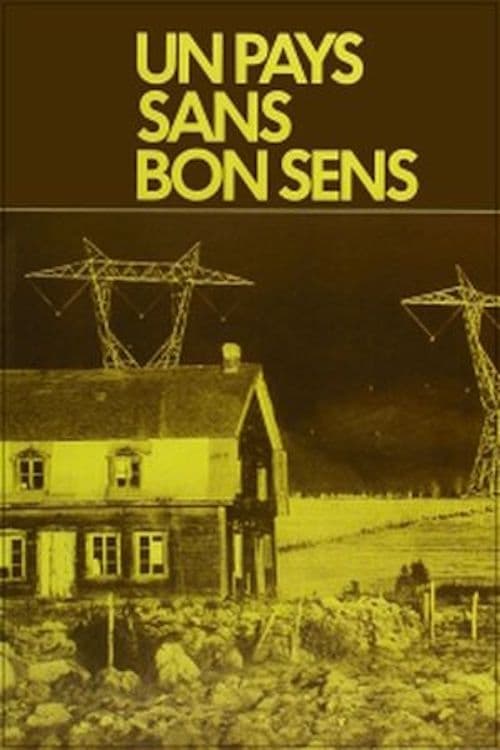
Un pays sans bon sens!
1970
No user ratings available yet
Representation score: 5.0 out of 10

Representation Score
Limited
1967
Director
Pierre Perrault
Runtime
118 minutes
Average Rating
No ratings yetNew Showbiz Analysis
Pierre Perrault’s documentary serves as a vital study of regional identity and cultural sovereignty. By centering the oral histories of the Tremblay family, the film disrupts top-down historical narratives in favor of communal, lived experiences. While the film lacks modern characters who reflect more than one aspect of diversity regarding LGBTQ+ identities or disability, its structural commitment to the voices of the rural Quebecois population provides a nuanced look at ethnic continuity. It elevates the 'common person' over institutionalized history.
Category Breakdown
The film does not include any LGBTQ+ characters or narratives. It focuses on the ancestral journey of a married couple, Alexis and Marie Tremblay.
The film centers on a traditional domestic partnership. While the subjects play a significant role in driving the story, the film reflects the social structures of 1967.
The film explores Quebecois identity and ancestral connections to France. It prioritizes regional linguistic and cultural heritage, challenging centralized or Anglo-centric national narratives.
The work emphasizes cultural sovereignty and oral tradition. It critiques the gap between institutional history and the lived, subjective truths of rural populations.
There is no documented evidence regarding the portrayal of physical or neurodivergent disabilities in this documentary.
Present on Screen
Limited or Absent
Official Synopsis
Four years after Pour la suite du monde (1963), director Pierre Perrault asks Alexis Tremblay if he'll agree to travel with his wife Marie to the country of their ancestors, France. In a montage parallel, we follow them in France and listen to them talking to their friends about it.
1970
1983

2012

1961
1980
2001
1968

1958
No reviews yet. Be the first to share your thoughts on this movie!
Use the rating form above to leave a star rating and optional review.