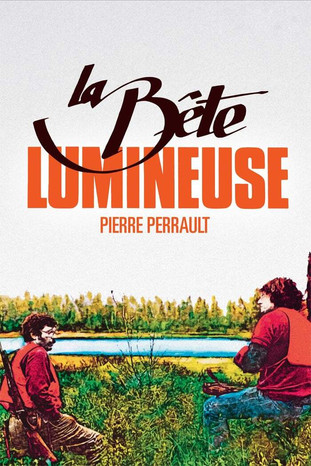
The Shimmering Beast
1982
No user ratings available yet
Representation score: 2.2 out of 10
Representation Score
Fair
1980
Director
Pierre Perrault
Runtime
111 minutes
Average Rating
No ratings yetNew Showbiz Analysis
Pierre Perrault’s documentary is a landmark in decolonial cinema. It centers Innu ability to act and linguistic sovereignty, going beyond simple inclusion to reshape the cinematic space around a non-Western worldview. The film's main strength lies in its challenge to the colonial perspective. By prioritizing the Innu language and oral traditions, it questions the dominance of Western capitalism and state structures. However, the film lacks representation in certain areas such as LGBTQ+ identities and disabilities. While these are not central to the ethnographic focus, their absence impacts the overall diversity profile.
Category Breakdown
The film does not explicitly depict LGBTQ+ identities. Instead, it focuses on communal stories and family histories.
The documentary challenges traditional gender roles by highlighting the social influence of community elders. It avoids the cliché of a heroic male lead by emphasizing collective unity.
This work stands out for its Indigenous self-representation. Using an all-Innu cast and language, it counters the colonial perspective.
The film offers a nuanced critique of Western institutions. By valuing oral traditions over written records, it supports non-Western ways of knowing.
There are no specific depictions of visible or invisible disabilities that play a central role in the story or character development.
Present on Screen
Limited or Absent
Official Synopsis
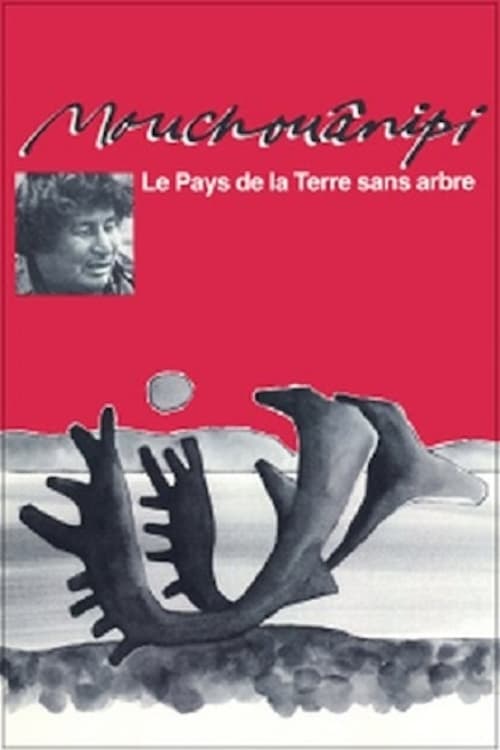
It is a documentary joining 3 periods of filming in the Mouchouanipi, which is a faraway land in the North of eastern Canada.
1982
2013
1968
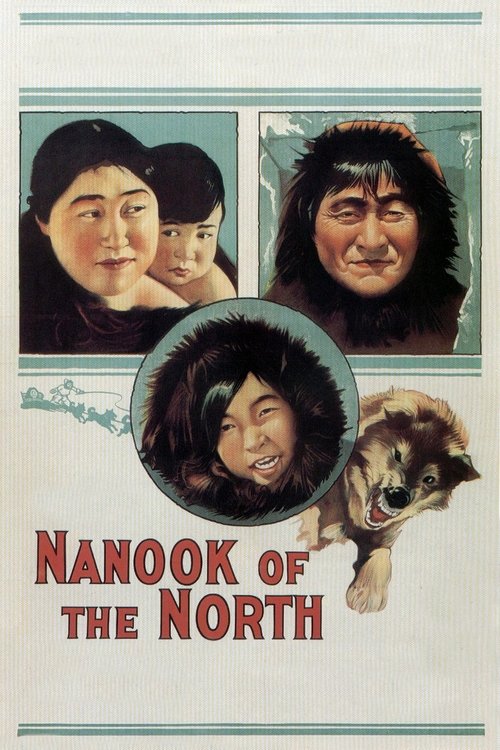
1922
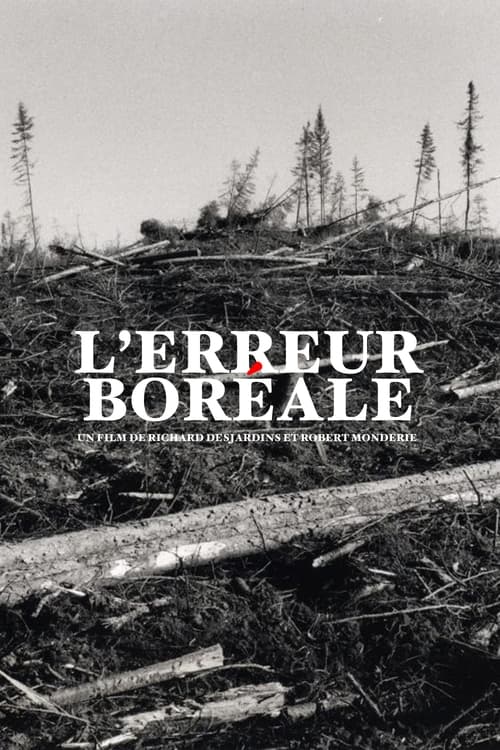
1999
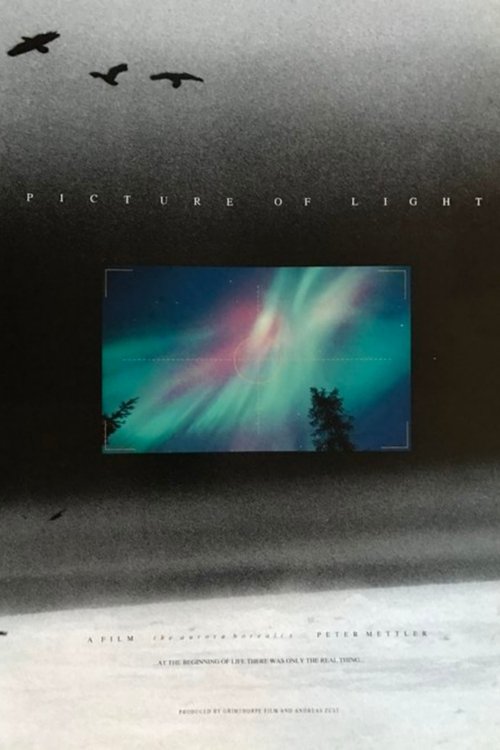
1994

1966
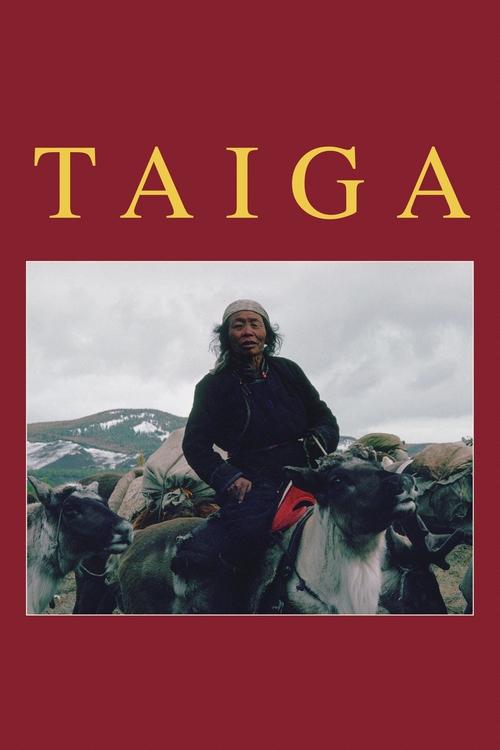
1992
No reviews yet. Be the first to share your thoughts on this movie!
Use the rating form above to leave a star rating and optional review.