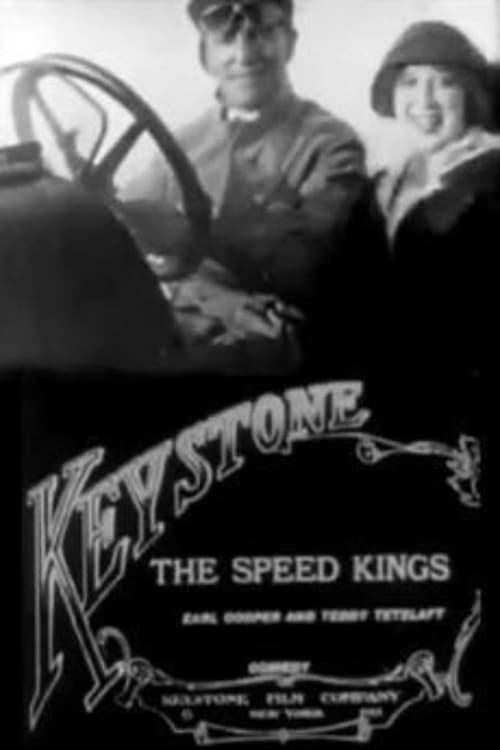
The Speed Kings
1913
No user ratings available yet
Representation score: 0.8 out of 10
Representation Score
Minimal
1913
Director
Mack Sennett
Runtime
14 minutes
Average Rating
No ratings yetNew Showbiz Analysis
Mack Sennett’s early work functions as a foundational slapstick comedy that adheres strictly to the social and narrative structures of the 1910s. The film relies on established clichés of the silent era, prioritizing kinetic action and physical comedy over progressive storytelling. The narrative lacks intentionality regarding diverse representation. It centers on conventional heterosexual romance and traditional gender roles, where the female lead's primary function is to trigger a rescue mission by male characters. Ultimately, the film is a product of its historical context. It reinforces the status quo of early American cinema through its reliance on standard morality frameworks and homogeneous casting patterns.
Category Breakdown
The film follows a traditional romantic conflict between a suitor and a villain. There is no evidence of queer subtext or non-conforming gender identities in the narrative.
Mabel serves as a catalyst for male action after being placed in a vulnerable position. While she rejects a villain, showing moral decision-making, the resolution depends on male intervention.
The production likely reflects the homogeneous demographic norms of 1913. There is no evidence of a diverse cast or any casting that challenges the racial hierarchies of the era.
The story uses a standard hero versus villain framework. It reinforces traditional archetypes of heroism and justice without offering any cultural or systemic critique.
The film provides no information or visible representation regarding physical or neurodivergent disabilities.
Present on Screen
Limited or Absent
Official Synopsis
When Mabel romantically rejects a villain, he ties her to the railroad tracks, leaving her bashful suitor to appeal to famous racecar driver Barney Oldfield for help.
1913
1928
1915
1926
1924
1924
1920
1915
No reviews yet. Be the first to share your thoughts on this movie!
Use the rating form above to leave a star rating and optional review.