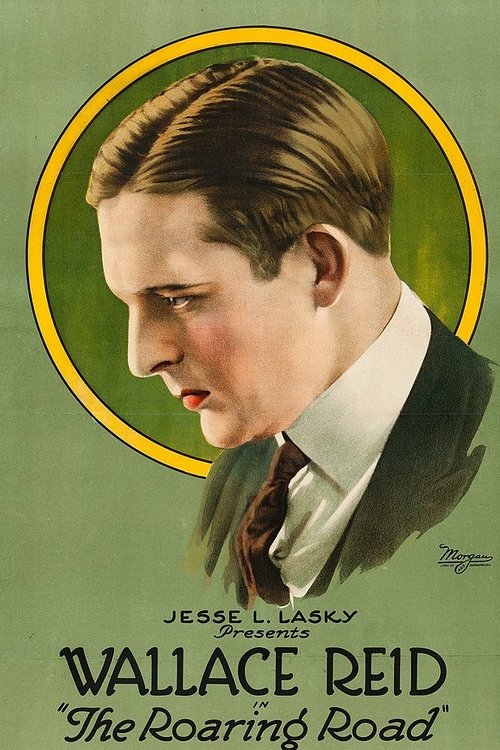
The Roaring Road
1919
No user ratings available yet
Representation score: 1.1 out of 10
Representation Score
Minimal
1920
NRDirector
Sam Wood
Runtime
48 minutes
Average Rating
No ratings yetNew Showbiz Analysis
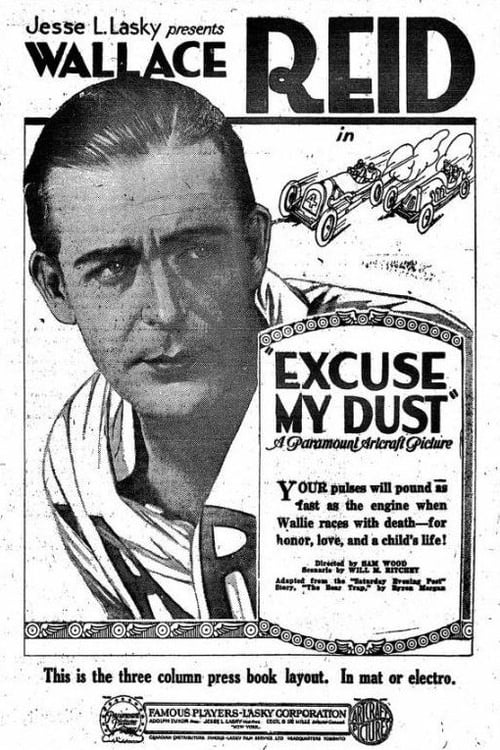
Excuse My Dust is a traditional early 20th-century melodrama that reinforces social norms. The narrative relies on patriarchal structures and traditional domesticity to drive its sentimental, action-oriented plot. The film lacks complexity in representing diverse identities and focuses on a white, Western protagonist and the preservation of the nuclear family. It uses standard clichés of the era without challenging established social hierarchies. Ultimately, the work emphasizes traditional roles and technological triumph over diverse or subversive storytelling.
Category Breakdown
The film focuses on a traditional married couple with a young child. There are no representations of LGBTQ+ identities or same-sex relationships.
Gender roles adhere to early 20th-century norms. The wife influences the plot by asking her husband to stop racing, but the male characters drive the main action and technological advancements.
The story revolves around a typical Western family setting. There are no mentions of diverse casting or non-Anglo-Saxon characters.
The plot upholds traditional Western values concerning fatherly duties and the nuclear family. Technology is used as a tool for heroic resolution within a conventional moral framework.
An ill baby serves as a plot device to propel the protagonist's journey. There is no detailed exploration of disability or characters with meaningful roles related to these conditions.
Present on Screen
Limited or Absent
Official Synopsis
A top race-car driver leaves the sport to get married and settle down, because his new wife doesn't want him to race anymore. However, not long afterwards his wife takes their infant son and leaves him to go to San Francisco. The husband gets word that his son is seriously ill in San Francisco, but he has no way to get there. Just in the nick of time, however, the racer's father-in-law just happens to have developed a new car for a cross-country race--to San Francisco!
1919
1925
1913
1913
1935
1924
1937

1939
No reviews yet. Be the first to share your thoughts on this movie!
Use the rating form above to leave a star rating and optional review.