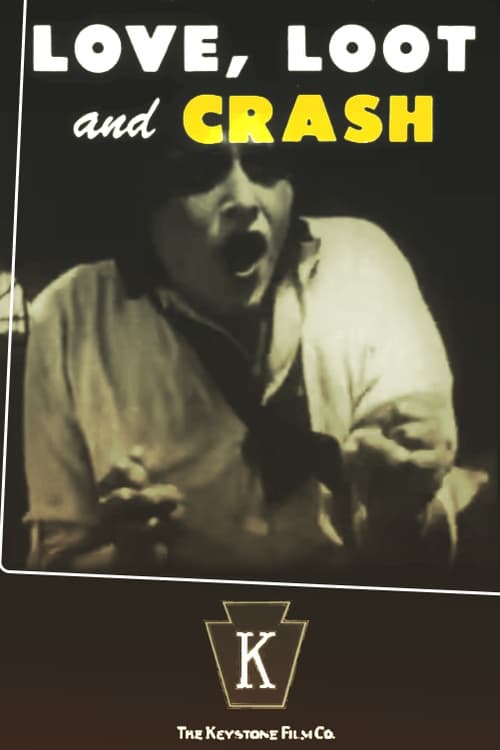
Love, Loot and Crash
1915
No user ratings available yet
Representation score: 1.1 out of 10
Representation Score
Minimal
1915
Director
Walter Wright
Runtime
13 minutes
Average Rating
No ratings yetNew Showbiz Analysis
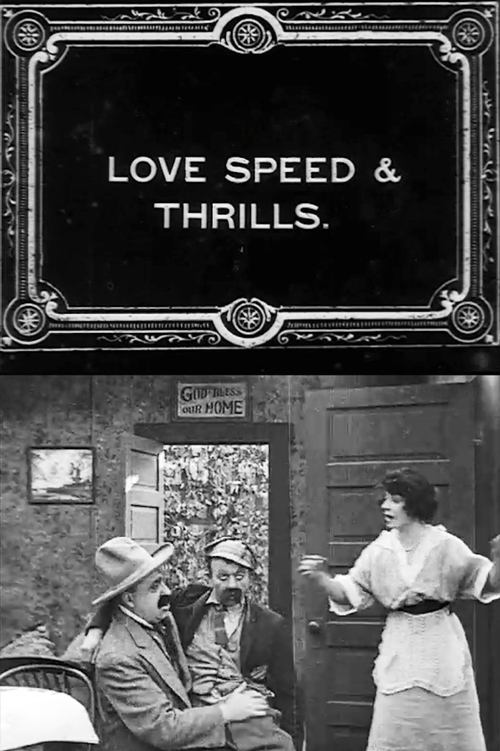
Love, Speed and Thrills is a quintessential example of early silent-era slapstick that prioritizes physical comedy over social complexity. The narrative relies heavily on established archetypes, such as the Keystone Kops and traditional romantic pursuits, which reinforce the social hierarchies of the time. The film adheres to conventional gender roles and straight-centered structures. While the female lead exerts some ability to act through flirtation, the plot ultimately resolves through a male protagonist's rescue mission, maintaining a standard patriarchal dynamic. Overall, the production lacks diversity in terms of race, gender identity, and cultural critique. It functions as a period-typical comedy that mirrors the homogeneous social standards of 1915.
Category Breakdown
The film focuses on a traditional romantic triangle involving a husband, a wife, and a third party. There is no evidence of same-sex intimacy or non-cisgender identities.
The plot utilizes the 'damsel in distress' cliché, centering on Mrs. Ambrose being rescued. While she shows some ability to act through flirtation, the resolution relies on male-driven action.
The narrative lacks any indication of non-white representation. It appears to reflect the homogeneous casting standards typical of the 1915 silent film era.
The story centers on Western social dynamics like marriage and domesticity. It operates within standard moral frameworks without critiquing religious or social institutions.
There is no information available regarding characters with visible or invisible disabilities. No assessment can be made based on the provided details.
Present on Screen
Limited or Absent
Official Synopsis
After Walrus has been shot, Ambrose takes him into his house. When Ambrose sees Walrus flirting with his wife he leaves. When Walrus runs away with Mrs. Ambrose, Ambrose gets on a horse to save her. The Keystone Kops are also after Walrus.
1915
1926
1913
1913
1924
1913
1918
1896
No reviews yet. Be the first to share your thoughts on this movie!
Use the rating form above to leave a star rating and optional review.