
For Heaven's Sake
1926
No user ratings available yet
Diversity score: 2.6 out of 10
1924
Director
Larry Semon, Noel M. Smith
Runtime
18 minutes
Average Rating
No ratings yetSynopsis
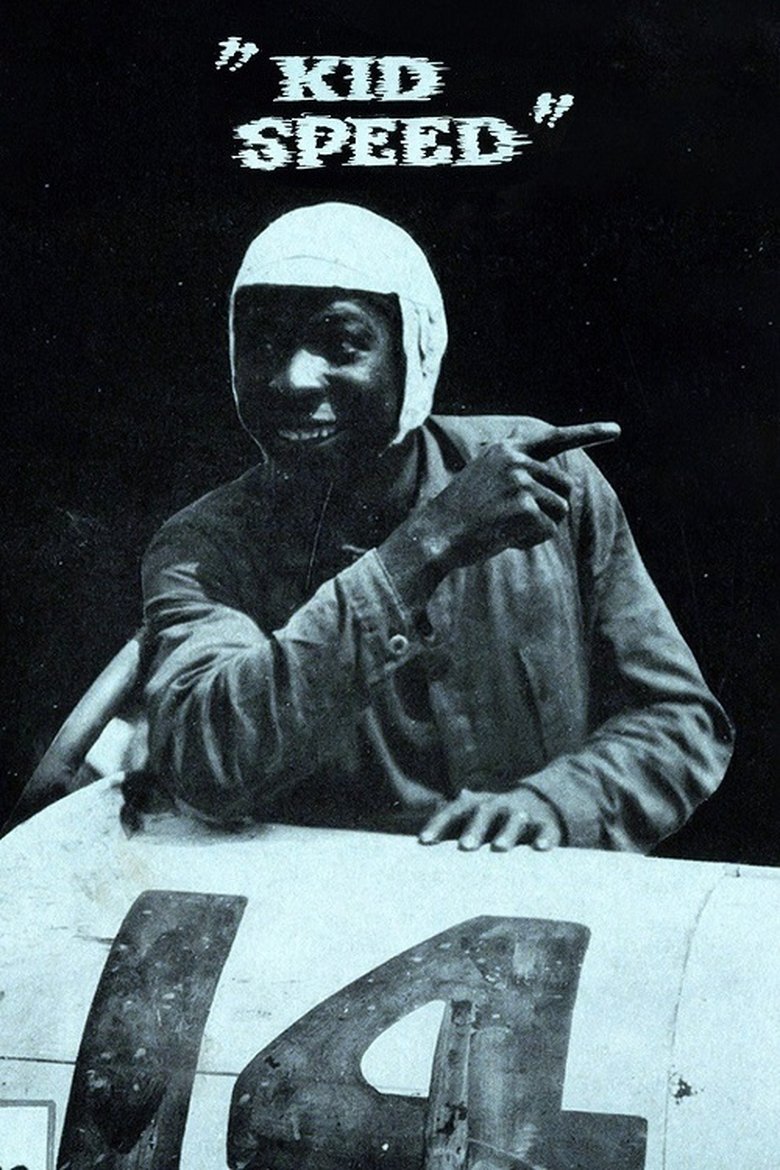
Avery DuPoys is a wealthy businessman, organising a race. He meets one of the competitors of the race, who is in love with DuPoys's daughter. Another competitor crashes into the action, who is also in love with DuPoys's daughter. DuPoys suggests that whoever wins the race will have the opportunity to visit his daughter every Wednesday night. An action-packed race commences, with one competitor doing more than usual to win the race.
Overall Score
Limited
Category Breakdown
LGBTQ+ Representation
The film lacks any evidence of LGBTQ+ characters or non-cisnormative identities. Romantic tension is strictly framed through a traditional heterosexual lens.
Gender Representation
Female characters function primarily as prizes for male competitors rather than independent agents. The plot reinforces patriarchal control through the authority of the businessman.
Racial & Ethnic Diversity
The narrative appears to reflect the homogeneous casting standards of the silent era. There is no indication of non-white or non-Anglo-Saxon representation.
Religious & Cultural Diversity
The story adheres to 1920s capitalist and class-based structures. It focuses on individual competition without critiquing Western institutions or traditional morality.
Disability Representation
There is no mention of characters with visible or invisible disabilities. No neurodivergent or physical impairments are identified in the narrative.
Strengths
Areas for Improvement
AI Analysis
Kid Speed is a product of the 1920s silent comedy era, prioritizing slapstick and physical humor over complex identity-based storytelling. The narrative structure relies heavily on established social hierarchies and conventional romantic tropes. The film centers on male competition and paternal authority, positioning women as objects of desire rather than active participants. This reinforces the traditionalist cinematic landscape of the period. Overall, the work functions as a standard genre piece that operates within the social norms of its time rather than attempting to subvert them.
1926
1915
1935
1915
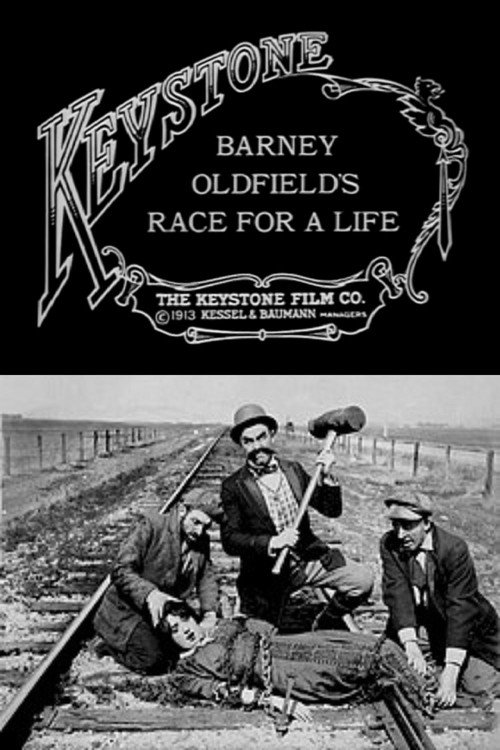
1913
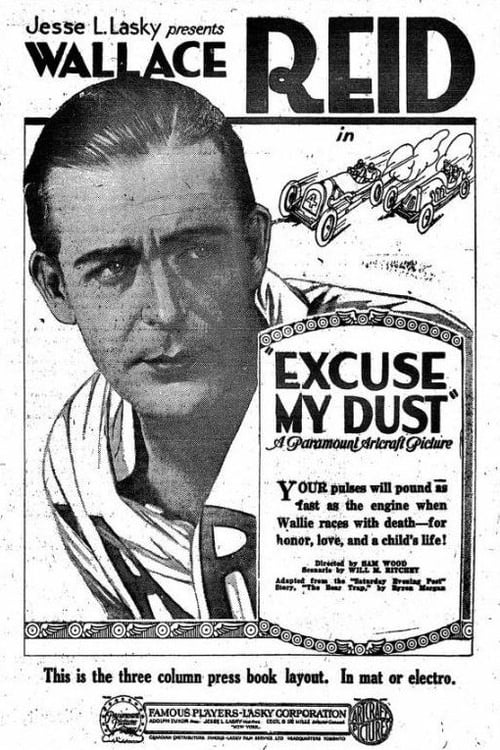
1920
No reviews yet. Be the first to share your thoughts on this movie!
Use the rating form above to leave a star rating and optional review.