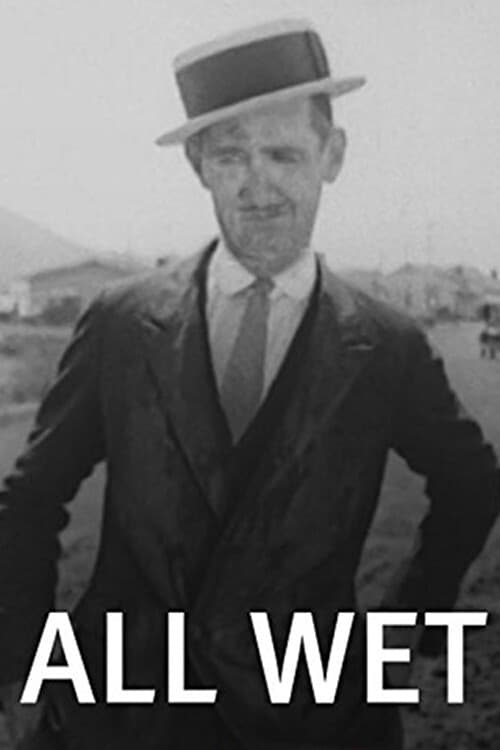
All Wet
1924
No user ratings available yet
Representation score: 2.1 out of 10
Representation Score
Minimal
1920
NRDirector
Hal Roach
Runtime
25 minutes
Average Rating
No ratings yetNew Showbiz Analysis
Hal Roach’s short comedy centers almost entirely on the physical chaos of owning a car. The story structure relies on the classic formula of man versus machine rather than social commentary. Since the film focuses on the novelty of consumer culture, it lacks the complexity needed to explore overlapping aspects of identity. It serves as a conventional product of its time, emphasizing situational humor over deeper social critique. Ultimately, the film does not intentionally address identity politics, reflecting the narrow social focus typical of 1920s short-form comedy.
Category Breakdown
The film does not include any characters with non-straight or non-cisgender identities. There are no stories about diverse sexual orientations or gender identities.
The story focuses on a new car owner, a role typically associated with men during this period. There is no evidence of women having significant roles or challenging traditional gender hierarchies.
The synopsis does not mention a diverse cast or non-white main characters. It seems to follow the homogeneous casting practices of early silent comedies.
The film celebrates capitalism and technological progress typical of the early 20th century. It presents a standard comedic view of modern life without questioning Western institutions.
There is no documentation of characters with visible or invisible disabilities. No characters with disabilities are shown taking control or having significant roles in the story.
Present on Screen
Limited or Absent
Official Synopsis
The comic adventures of a new car owner.
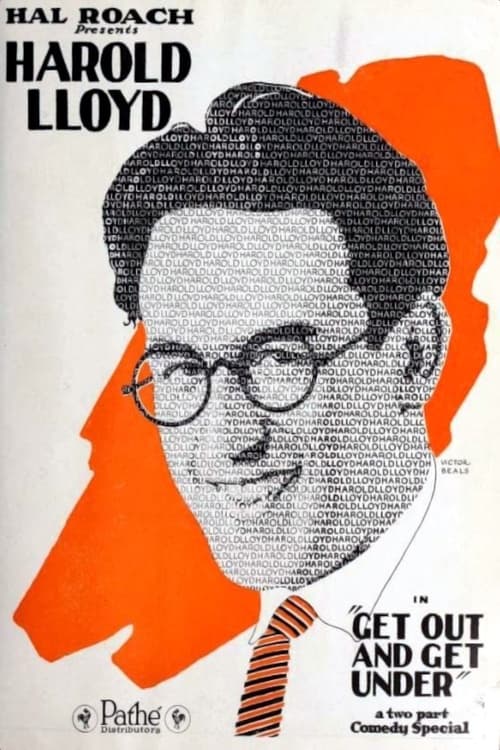
1924

1971
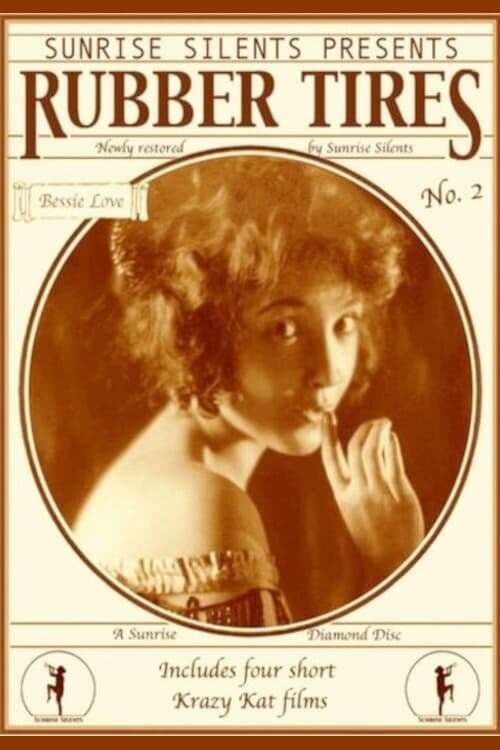
1927
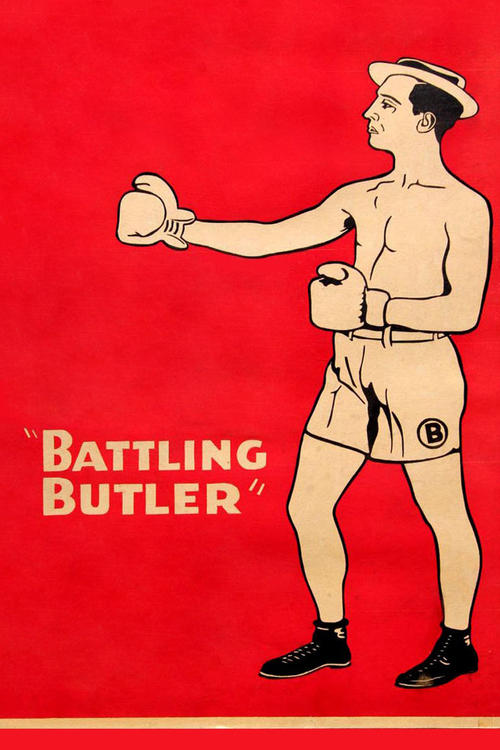
1926
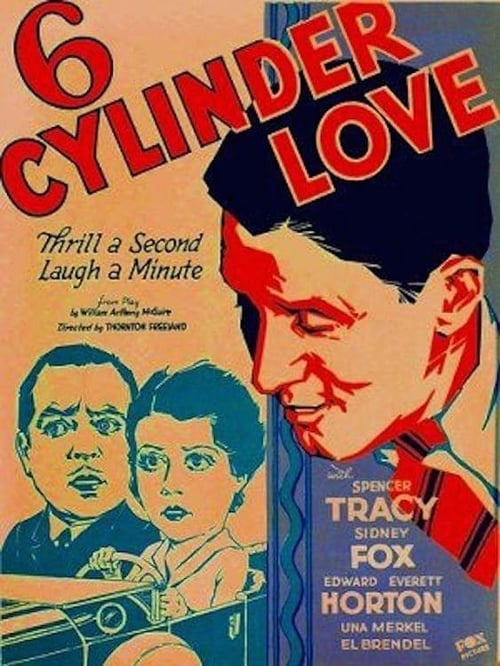
1931
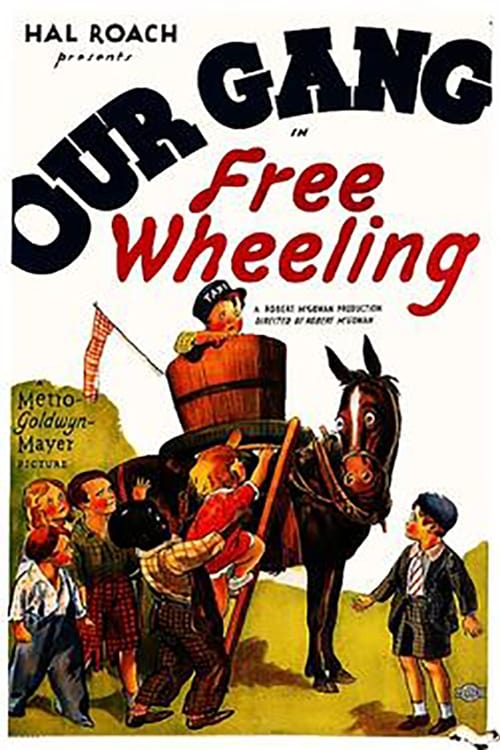
1932
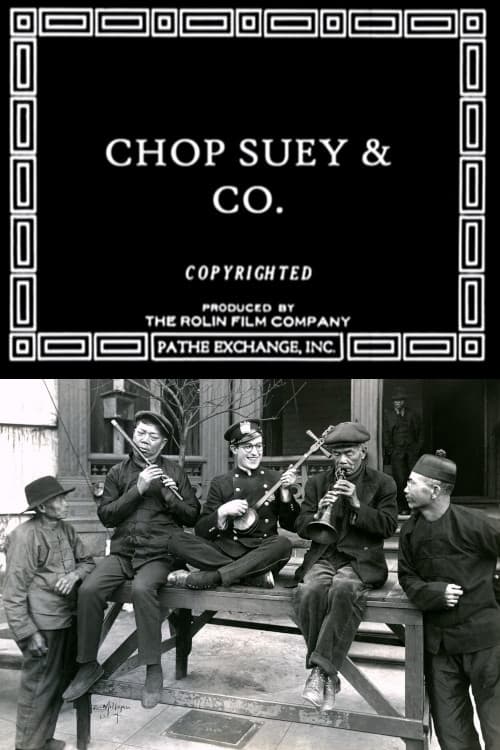
1919
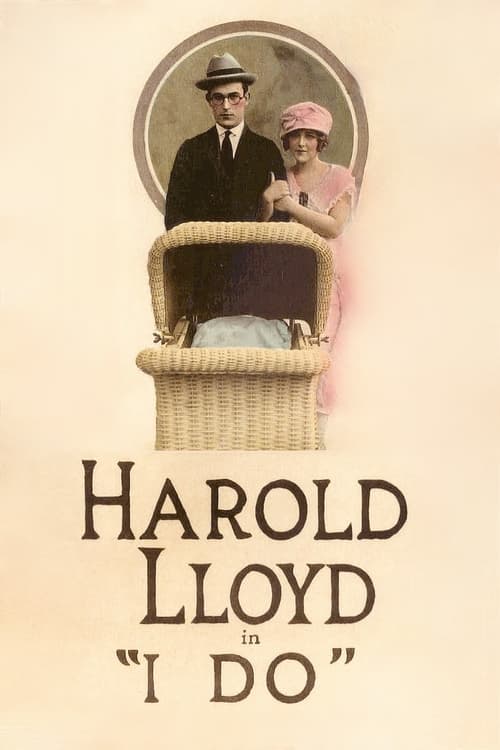
1921
No reviews yet. Be the first to share your thoughts on this movie!
Use the rating form above to leave a star rating and optional review.