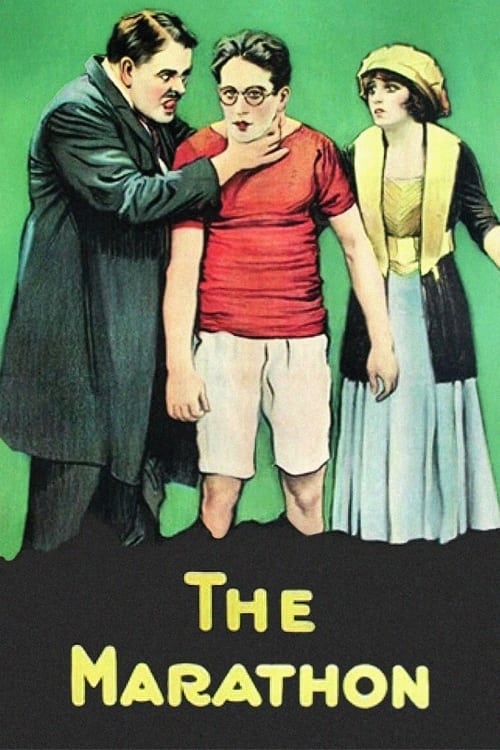
The Marathon
1919
No user ratings available yet
Representation score: 1.0 out of 10
Representation Score
Limited
1919
NRDirector
Hal Roach
Runtime
10 minutes
Average Rating
No ratings yetNew Showbiz Analysis
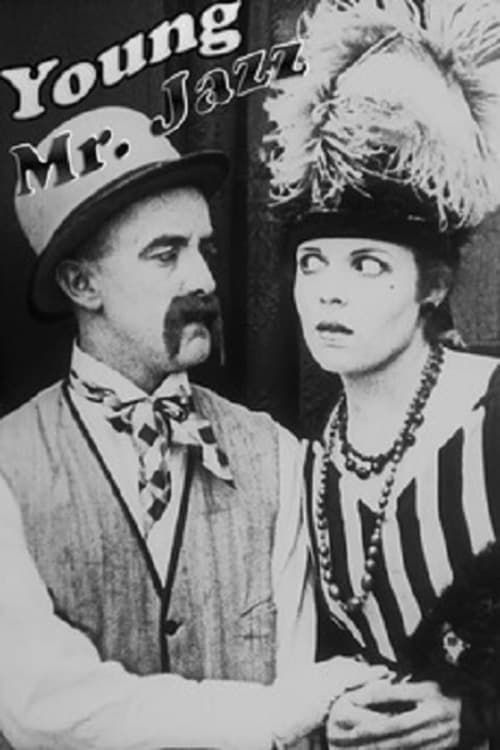
Young Mr. Jazz is a conventional silent-era comedy that adheres to the social and narrative conventions of 1919. The plot is driven by slapstick conflicts and a pursuit narrative involving both romantic and criminal elements. The film heavily relies on traditional clichés, such as the patriarchal gatekeeper and standard romantic pursuits. It does not attempt to challenge the social hierarchies or the homogeneous casting norms of its time. Ultimately, the film serves as a typical comedic escapade of its era without deconstructing social or institutional structures.
Category Breakdown
The film focuses on a typical romantic pursuit between a male protagonist and his girlfriend, without addressing any non-straight relationships or critiques of the assumption that everyone is straight.
The story revolves around a father acting as a gatekeeper to his daughter, reflecting traditional patriarchal dynamics. The narrative does not challenge these gendered social structures.
Reflecting the casting practices of 1919, the film likely features a predominantly white cast without diverse representation or actors from different backgrounds.
The dance hall setting suggests a certain level of social fluidity, but the story remains a typical comedic escapade without challenging institutional structures or social hierarchies.
There is no information available regarding the portrayal of characters with disabilities or neurodivergent conditions.
Present on Screen
Limited or Absent
Official Synopsis
While running away from his girl's father, Harold's car breaks down in front of a dance hall run by crooks. Harold has to not only stay one step ahead of the girl's father, but also those trying to rob them of everything they have.
1919

1924
1924
1919
1908
1927
1918
1919
No reviews yet. Be the first to share your thoughts on this movie!
Use the rating form above to leave a star rating and optional review.