Barabbas
2019
No user ratings available yet
Representation score: 4.4 out of 10
Representation Score
Minimal
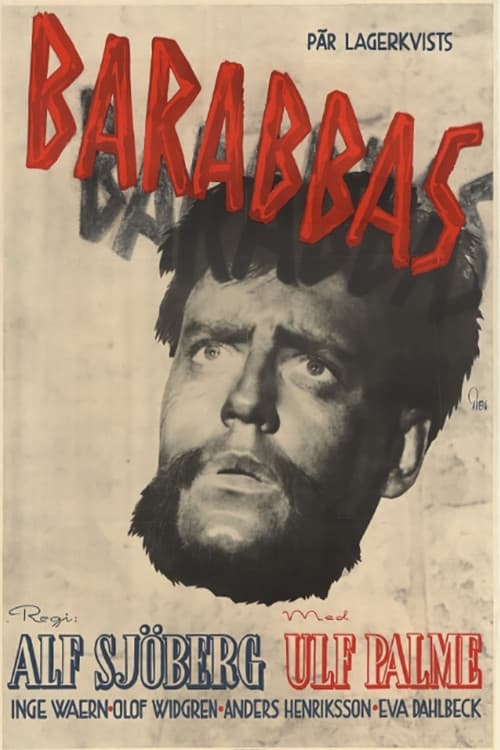
1953
Director
Alf Sjöberg
Runtime
105 minutes
Average Rating
No ratings yetNew Showbiz Analysis
Barabbas is a sophisticated psychological study that prioritizes existential crisis over traditional heroics. It succeeds in critiquing imperial power and the tension between occupiers and the occupied through a complex, morally gray protagonist. However, the film is limited by the social frameworks of its era. The casting lacks ethnic authenticity, using Swedish actors for Middle Eastern roles, and the narrative remains heavily centered on masculine perspectives. Ultimately, while the film provides deep theological and political inquiry, it lacks multi-layered diversity, failing to include meaningful representation for women, diverse ethnicities, or LGBTQ+ identities.
Category Breakdown
The film focuses solely on masculine struggles related to faith and political rebellion. It does not depict any non-cisgender identities or same-sex relationships.
The central conflicts are primarily driven by male characters and masculine themes. Female characters are less prominent and serve mainly as supporting elements to the main theological issues.
The film uses a predominantly white, European cast to represent Middle Eastern and Jewish characters. This approach fails to authentically represent the ethnic diversity of the setting.
The narrative offers a nuanced look at imperial authority and revolutionary zealotry. It explores moral ambiguity through a protagonist navigating spiritual emptiness and systemic power.
There are no prominent depictions of physical or neurodivergent disabilities used as central character traits or plot devices.
Present on Screen
Limited or Absent
Official Synopsis
The story about the thief who didn't get crucified because Jesus was choosen to take his place.
2019
1961

1946
1965

2012

1959
1991

1953
No reviews yet. Be the first to share your thoughts on this movie!
Use the rating form above to leave a star rating and optional review.