
Always - Sunset on Third Street
2005
No user ratings available yet
Representation score: 3.9 out of 10
Representation Score
Good
1996
Director
Jūzō Itami
Runtime
127 minutes
Average Rating
No ratings yetNew Showbiz Analysis
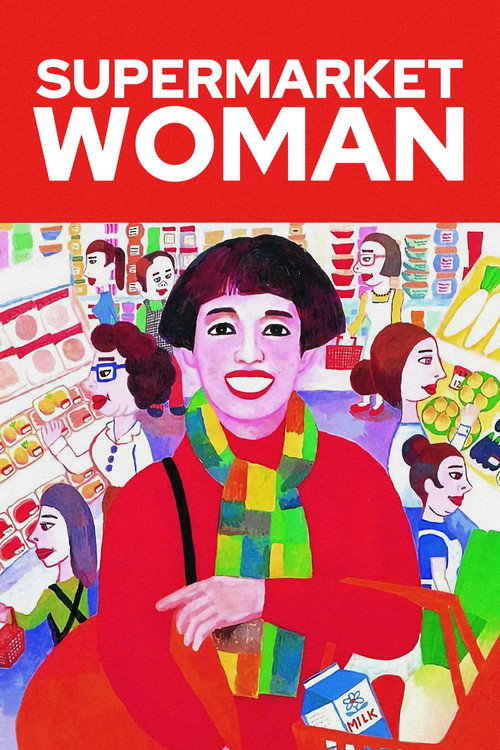
Supermarket Woman is a pointed satire of Japanese social uniformity. Its primary strength lies in its subversion of traditional gender roles, presenting a female protagonist who uses her intelligence and autonomy to confront patriarchal norms. However, the film's scope is limited to a specific socioeconomic context in Japan, lacking broader racial and ethnic diversity. Additionally, it does not explicitly address LGBTQ+ identities or disabilities. The film excels in its intellectual critique of institutional norms rather than in its demographic representation.
Category Breakdown
The film does not feature explicit LGBTQ+ characters or narratives. However, it challenges traditional expectations around marriage and family.
Mitsuko defies traditional gender roles by rejecting the 'good wife, wise mother' stereotype. She is portrayed as an intelligent and autonomous woman who actively shapes the story.
The cast is primarily made up of actors from a similar cultural background, reflecting a specific Japanese context. There is no attempt to include a diverse range of ethnicities or races.
The film critiques Western-style capitalism and the commodification of personal identity. It also challenges the rigid conventions of 'salaryman' culture and traditional societal norms.
There are no central characters with physical or neurodivergent disabilities. The focus is on the psychological and social pressures faced by the working class.
Present on Screen
Limited or Absent
Official Synopsis
A struggling Japanese neighborhood supermarket manager chances upon an old classmate, who has plenty of ideas for revitalizing his business.
2005
1958

2017

2018

2010

2006

2003

2000
No reviews yet. Be the first to share your thoughts on this movie!
Use the rating form above to leave a star rating and optional review.