Hello, Schoolgirl
2008
No user ratings available yet
Representation score: 3.2 out of 10
Representation Score
Fair
2000
Director
Park Cheol-su
Runtime
92 minutes
Average Rating
No ratings yetNew Showbiz Analysis
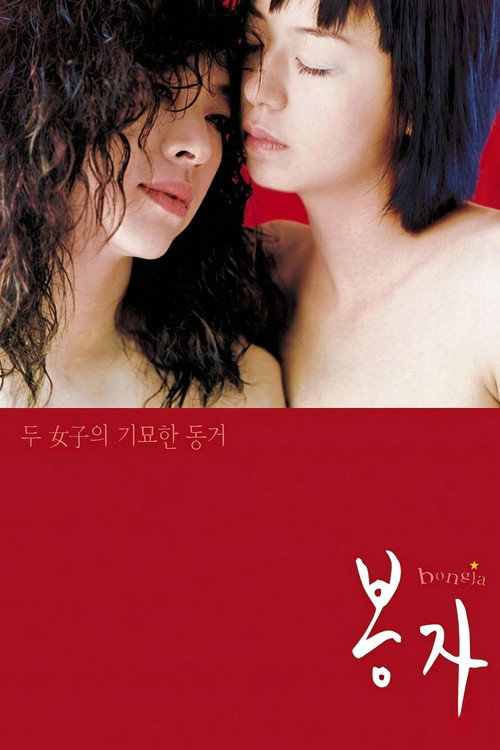
Bongja is a character-driven drama that prioritizes the internal lives of its female protagonists. By focusing on the experiences of women, the film avoids traditional male-dominated leadership structures. However, the film lacks the complexity or systemic subversion needed for a higher score. The narrative structure focuses on personal stability and domestic disruption rather than deconstructing social hierarchies. Ultimately, the film functions as a localized character study that lacks broader representation of diverse identities or social critiques.
Category Breakdown
The film does not include any explicit LGBTQ+ identities or queer romantic arcs. The story focuses on the relationship between a woman and a teenager.
The narrative emphasizes the domestic struggles and internal lives of women, shifting the focus away from traditional male leadership.
As a South Korean production, the film offers a localized perspective. However, the cast appears ethnically homogeneous without evidence of diverse racial backgrounds.
The story explores tensions between traditional work and youthful rebellion. It highlights individual contentment rather than a systemic critique of cultural norms.
There is no mention of characters navigating physical, sensory, or neurodivergent experiences within the narrative.
Present on Screen
Limited or Absent
Official Synopsis
Bong-ja is perfectly happy in her monotonous life of making and selling seaweed rolls near a train station. However, when a free spirited teenage girl enters her life and takes over her home, Bong-ja begins to feel the stirrings of love as disaster brews.
2008

2018

2008
2004
2005
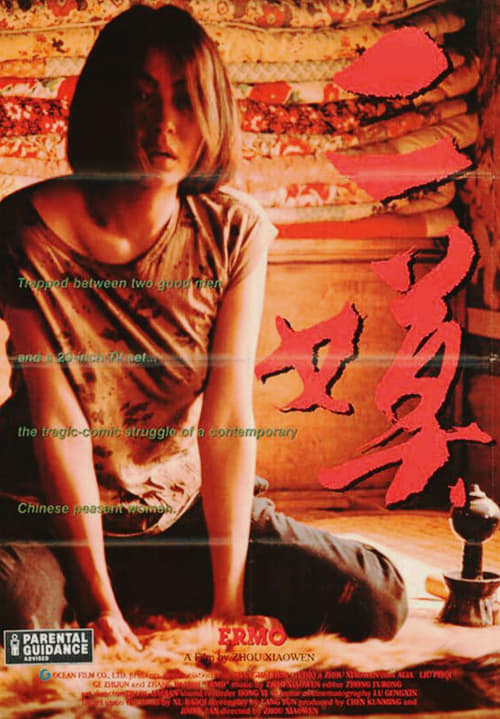
1995
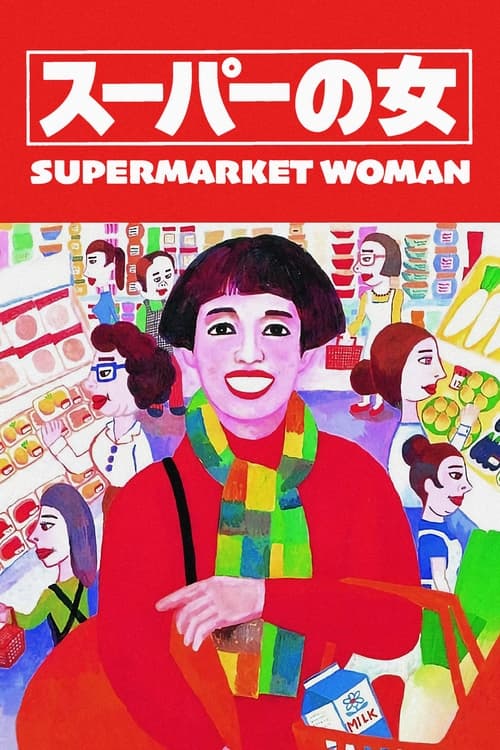
1996

2017
No reviews yet. Be the first to share your thoughts on this movie!
Use the rating form above to leave a star rating and optional review.