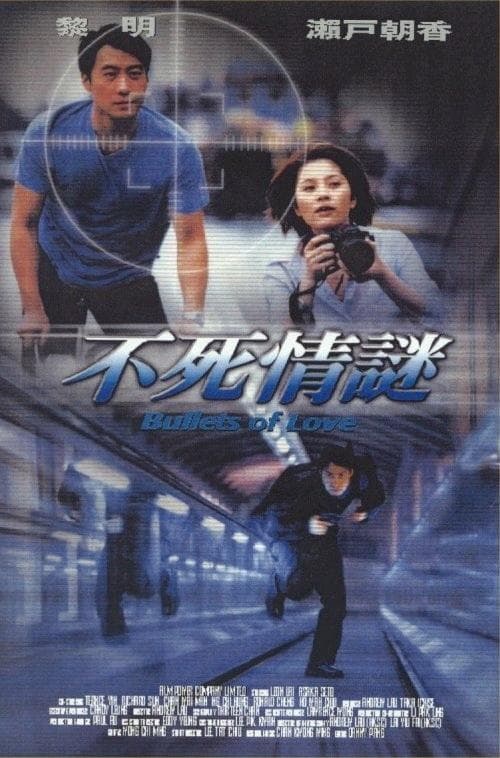
Bullets of Love
2001
No user ratings available yet
Representation score: 3.3 out of 10
Representation Score
Limited
2004
Director
Wong Jing
Runtime
94 minutes
Average Rating
No ratings yetNew Showbiz Analysis
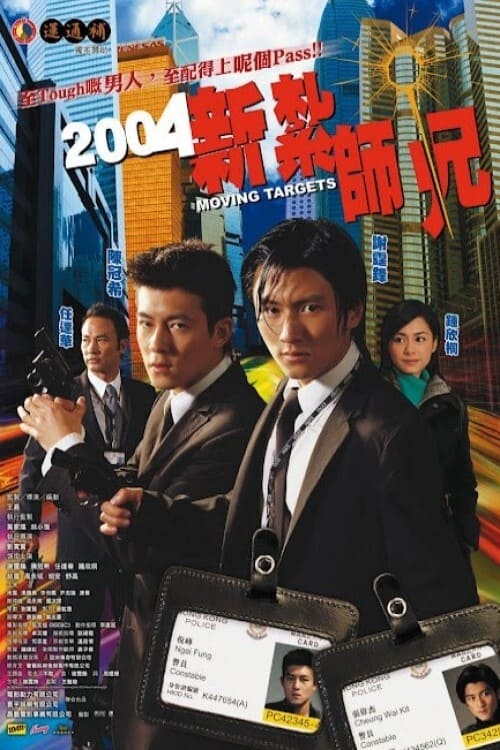
Moving Targets is a conventional Hong Kong action-drama that prioritizes kinetic entertainment and genre clichés over social critique. The plot is built around a cycle of violence and vengeance between a father and son, reinforcing traditional dramatic structures. The film relies heavily on established clichés of familial retribution and romantic rivalry. It does not attempt to challenge social norms or explore multi-layered identities, instead focusing on individualistic conflicts and narrow relationship assumptions. Ultimately, the work functions as a standard genre piece. It maintains a focus on traditional masculinity and homogeneous cultural representation typical of its production context.
Category Breakdown
The film focuses on heterosexual relationships and family conflicts. It does not include any non-cisgender identities or narratives that challenge traditional relationship structures.
The narrative is driven by male-centric conflicts involving vengeance and police duty. Female characters like Chi appear primarily as objects of affection or catalysts for male emotional arcs.
As a Hong Kong production, the cast is predominantly Cantonese and East Asian. The film presents a homogeneous ethnic portrayal without evidence of diverse racial blending.
The story centers on traditional concepts of family honor, duty, and justice. It adheres to standard dramatic clichés regarding law enforcement rather than offering systemic social critiques.
The narrative contains no mention of characters navigating physical, sensory, or neurodivergent disabilities. No representation in this category is present.
Present on Screen
Limited or Absent
Official Synopsis
Kit comes from a very fortunate family, with an outstanding police officer father When the family starts to break up, Man impulsively shot Kit's mother. After Kit's parents divorced, Kit viewed Man his father as an enemy. As an adult, he vowed to become a police officer, and to join Man's team, hoping that Man will pay for what he has done. Kit's cousin, Chi falls for Kit since childhood, but Fung falls for Chi at first sight... As he realised that Chi is Kit's girlfriend, he won't express his love for her, making the two embarassing in communication.
2001

1987
2007
1987
1999
2003
2009
1990
No reviews yet. Be the first to share your thoughts on this movie!
Use the rating form above to leave a star rating and optional review.