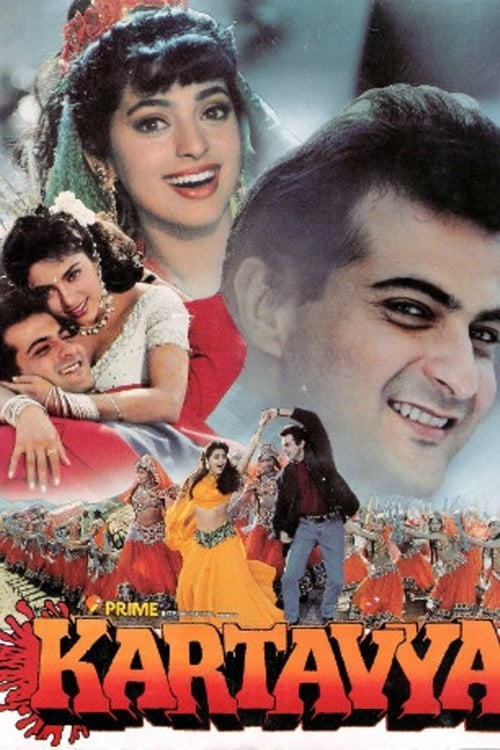
Kartavya
1995
No user ratings available yet
Representation score: 2.7 out of 10

Representation Score
Good
2004
Not RatedDirector
Vikram Bhatt
Runtime
152 minutes
Average Rating
No ratings yetNew Showbiz Analysis
Aetbaar is a psychological thriller that emphasizes character-driven trauma over social subversion. Its main strength lies in highlighting the female protagonist's internal strength and her journey to reclaim autonomy after trauma. However, the film operates within traditional dramatic frameworks, relying on a homogeneous cast and a patriarchal protector figure, which keeps the narrative rooted in conventional social structures. Ultimately, the film uses psychological distress as a plot device for a revenge arc rather than providing a nuanced exploration of disability or diverse identities.
Category Breakdown
The film does not include any LGBTQ+ characters or non-straight relationships. The romantic storyline focuses solely on the heterosexual relationship between Ria and Aryan.
The story centers around a woman's experience of trauma and her fight for independence. While it avoids portraying her as a passive victim, the narrative still includes a traditional male protector figure.
The cast is culturally uniform, reflecting a specific Indian regional context. It maintains a consistent ethnic identity without attempting to blend different cultural backgrounds.
The narrative explores personal morality through themes of justice and retribution. It examines how individual trauma can challenge traditional societal structures and institutionalized morality.
Psychological trauma and mental health struggles are central to the plot. However, these elements are used primarily to create thriller tension rather than exploring lived neurodivergent experiences.
Present on Screen
Limited or Absent
Official Synopsis
After the tragic death of his son - Rohit, in a car accident, Dr. Ranveer Malhotra has been very protective of his daughter Ria. All is well for Ria until one day on a college mishap Ria reaches up with Aryan and both fall in love with each other. Aryan showers Ria with a lot of love and she thought that he is her ideal life partner. Ria invites Aryan to dinner at her home and introduces him to her parents. Her mother immediately approves of him but her father thinks that something is a miss and tells Ria to stop meeting Aryan. But Aryan is madly in love with Ria and refuses to leave her. When Ria disobeys him, her father decides to dig deeper into Aryan's past. Ranveer is desperate as he knows Ria is heading towards something dangerous.
1995
2006

2000
1993
2002

2004
2001
1997
No reviews yet. Be the first to share your thoughts on this movie!
Use the rating form above to leave a star rating and optional review.