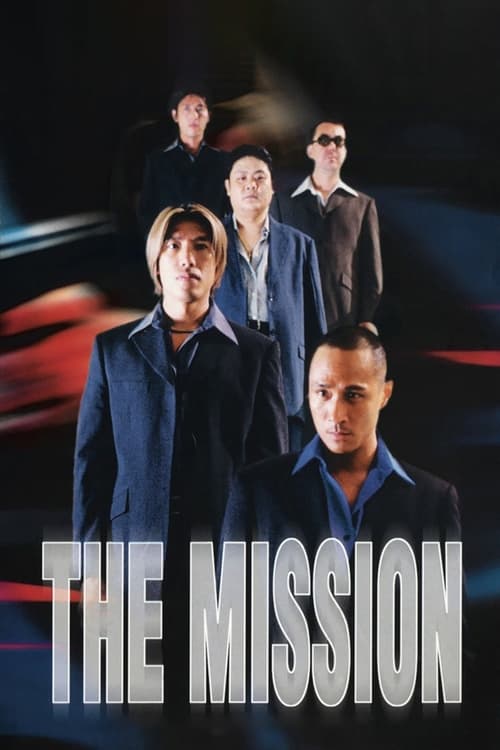
The Mission
1999
No user ratings available yet
Representation score: 1.5 out of 10
Representation Score
Fair
1999
Director
Johnnie To
Runtime
90 minutes
Average Rating
No ratings yetNew Showbiz Analysis
Johnnie To’s direction moves away from traditional heroic archetypes, favoring nuanced character studies. The film successfully challenges typical patriarchal structures of the crime genre by placing a female protagonist in a position of ownership and stability. While the film offers a culturally specific East Asian perspective, it lacks depth in representing LGBTQ+ or disability issues. The narrative's strength lies in its refusal to use simple moral hierarchies, instead focusing on the human complexities of a man trying to reintegrate into society.
Category Breakdown
The film does not include explicit LGBTQ+ characters or stories. It focuses on the relationships between a former gang leader, a female hotel owner, and a child within a traditional social setting.
The story challenges traditional crime clichés by emphasizing the emotional role of a female hotel owner. This shifts the focus from male dominance to a woman having control and stability.
Set in Macau with an East Asian cast, the film presents a culturally specific perspective. It centers on non-Western views and social structures rather than Western norms.
The story delves into moral relativism and the complexities of redemption. It avoids simple moral judgments by presenting a criminal character through the lens of situational ethics and societal reintegration.
There is no documented evidence of characters with physical or neurodivergent disabilities in this work.
Present on Screen
Limited or Absent
Official Synopsis
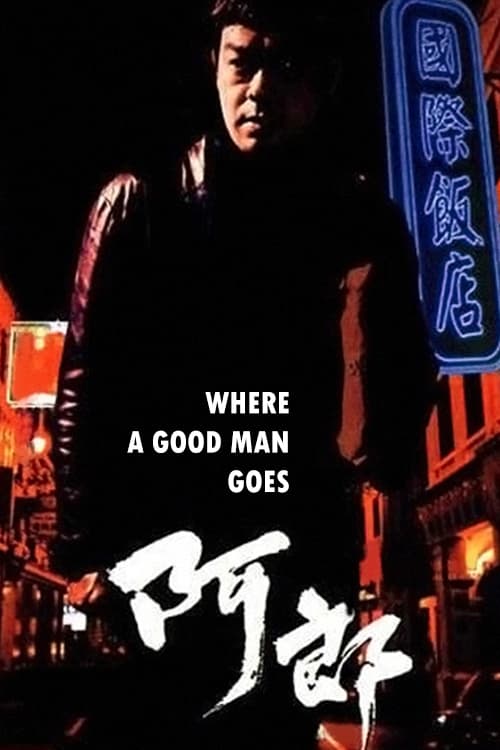
Fresh from a prison term, a former Triad boss resides in a hotel in Macau, where he befriends its owner and her young son.
1999
2004
1989
1994
2004
2006
1995
1992
No reviews yet. Be the first to share your thoughts on this movie!
Use the rating form above to leave a star rating and optional review.