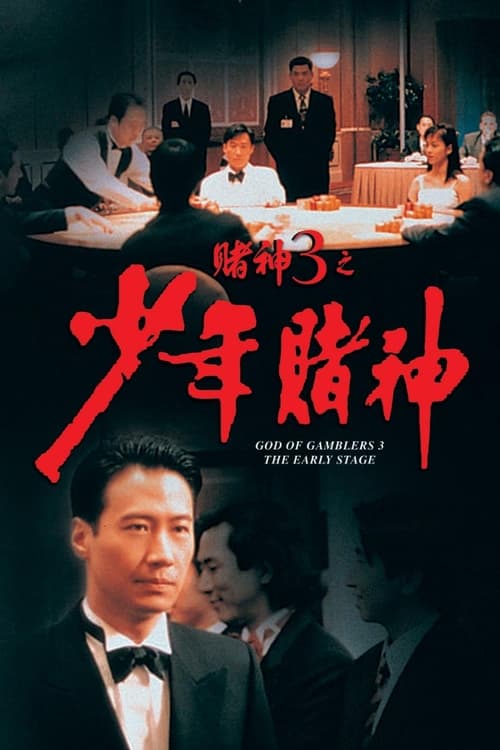
God of Gamblers 3: The Early Stage
1996
No user ratings available yet
Representation score: 3.8 out of 10
Representation Score
Limited
1991
Director
Wong Jing
Runtime
116 minutes
Average Rating
No ratings yetNew Showbiz Analysis
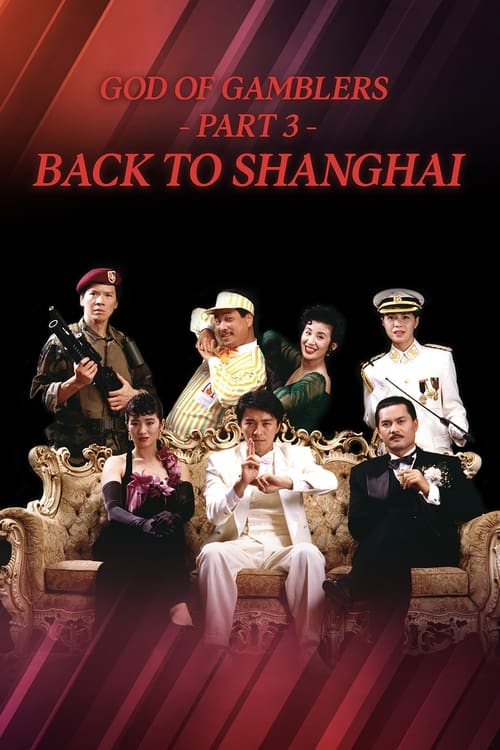
God of Gamblers III: Back to Shanghai is a genre-blending comedy that uses a time-travel narrative to explore lineage and destiny. While it serves as a high-energy commercial film, it offers a unique perspective on power dynamics by elevating the underworld's ethical codes above traditional state authority. However, the film remains socially conservative in its portrayal of characters. It reinforces traditional gender hierarchies and lacks representation for LGBTQ+ identities or individuals with disabilities, focusing instead on idealized archetypes of skill and prowess. Ultimately, the film's strength lies in its narrative structure rather than its social inclusivity. It challenges systemic structures through a lens of moral relativism, even as it maintains a homogeneous cast and traditional social roles.
Category Breakdown
The film follows traditional romantic and familial themes. There are no non-straight gender identities or same-sex relationships portrayed in the story.
The main narrative focuses on the male lead, while female characters play supporting roles that don't challenge the established male dominance of the action sequences.
The cast is mostly made up of actors from similar backgrounds, reflecting the film's Cantonese roots. However, the 1937 Shanghai setting adds layers of historical and cultural complexity.
The film challenges conventional morality by emphasizing a gambler's code over legal standards. It portrays the underworld as a sophisticated social system with its own internal rules.
There is no depiction of physical or neurodivergent disabilities. Characters are characterized by their exceptional physical and mental abilities required for high-stakes gambling.
Present on Screen
Limited or Absent
Official Synopsis
While battling a psychic gambler, Sing hurtles back in time to 1937 Shanghai. Now he must come to grips with his family history and get back to 1991.
1996
1990
1991
1994
1989
1999
1993
1998
No reviews yet. Be the first to share your thoughts on this movie!
Use the rating form above to leave a star rating and optional review.