
The End of the Journey
1981
No user ratings available yet
Diversity score: 2.8 out of 10

1981
Director
Otto Jongerius
Runtime
102 minutes
Average Rating
No ratings yetSynopsis
At the deathbed of his used-to-be militant mother an older man looks back at his childhood, when he was in love with his sensual aunt Coleta.
Overall Score
Fair
Category Breakdown
LGBTQ+ Representation
The film explores unconventional romantic fixations, specifically a man's attraction to his aunt. While it avoids explicit same-sex intimacy, it moves away from standard heteronormative structures.
Gender Representation
Female agency is central, highlighted by a militant mother and a sensual aunt. These characters subvert traditional domestic tropes and disrupt conventional gender hierarchies.
Racial & Ethnic Diversity
The narrative provides no information regarding the racial or ethnic composition of the cast or setting. No specific ethnic themes are present.
Religious & Cultural Diversity
The story deconstructs familial legacy through memory and subjective morality. It prioritizes psychological depth over traditional Western family ideals and institutional norms.
Disability Representation
There is no mention of characters with physical, sensory, or neurodivergent disabilities within the narrative.
Strengths
Areas for Improvement
AI Analysis
Two Queens and One Consort offers a psychological study of memory and taboo attraction. It succeeds in subverting traditional family roles by presenting formidable, non-nurturing female figures. The narrative focuses on the dissolution of the family unit through a deathbed reflection. However, the film lacks intersectional breadth. While it challenges social norms through its central romantic dynamic, it provides no visibility for racial, ethnic, or disability-related identities. The focus remains narrow, centered on a specific, complex familial history.
1981
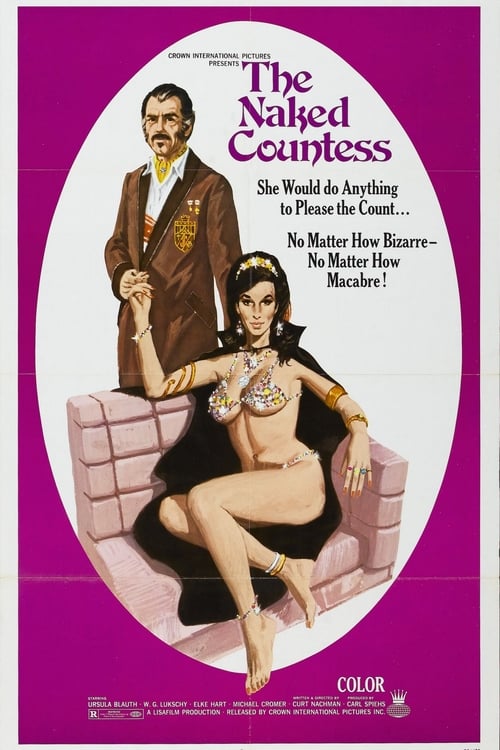
1971

2007

1972

1985

1993

1980

1978
2007

1963
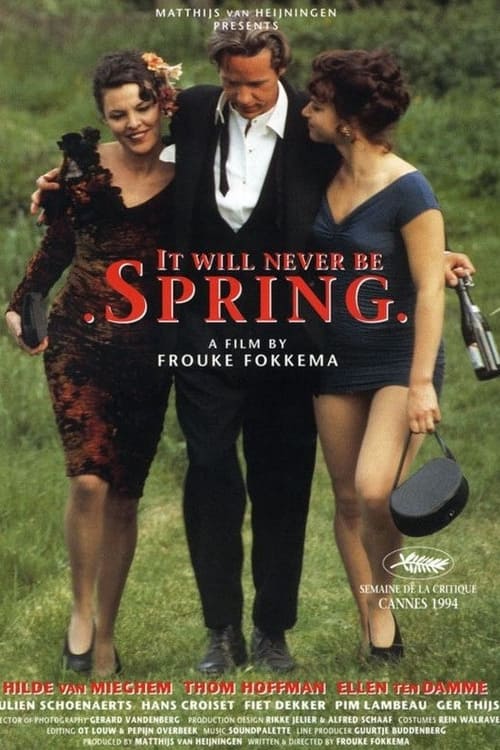
1994

1971
No reviews yet. Be the first to share your thoughts on this movie!
Use the rating form above to leave a star rating and optional review.