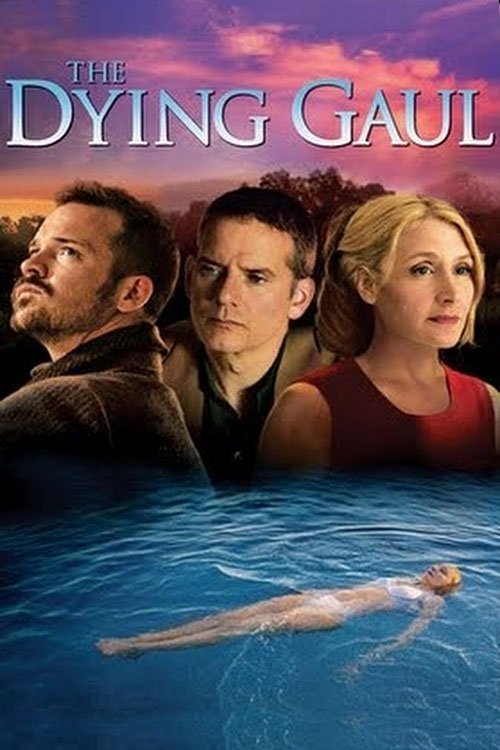
The Dying Gaul
2005
No user ratings available yet
Diversity score: 5.6 out of 10

1980
RDirector
Anthony Harvey
Runtime
104 minutes
Average Rating
No ratings yetSynopsis
Following her husband's death, a wife discovers and confronts her husband's lover. Their mutual pain, love, envy and jealousy bring them together in an unexpected emotional and physical relationship.
Overall Score
Fair
Category Breakdown
LGBTQ+ Representation
The film explores queer-coded intimacy through an emotional and physical bond between the wife and the lover. This connection challenges traditional sexual hierarchies and explores non-heteronormative connections born of shared trauma.
Gender Representation
The narrative subverts traditional hierarchies by centering female agency following a male death. The focus shifts to the protagonists' autonomy and their ability to redefine relationships independently of the deceased patriarch.
Racial & Ethnic Diversity
There is insufficient evidence to determine the racial composition of the cast or the presence of diverse ethnic narratives.
Religious & Cultural Diversity
The film deconstructs the traditional nuclear family by prioritizing situational ethics over rigid moral codes. It moves away from black-and-white depictions of infidelity toward a complex, relativistic view of connection.
Disability Representation
No specific information is available regarding the depiction of physical or mental disabilities within the film.
Strengths
Areas for Improvement
AI Analysis
Richard's Things functions as a psychological drama that disrupts standard tropes of the grieving widow and the 'other woman.' By positioning these women as co-protagonists, the film explores the blurring of interpersonal boundaries and the complexities of shared loss. The narrative's strength lies in its departure from conventional morality and its focus on female autonomy. It replaces the traditional stabilizing male figure with a study of how women navigate grief and intimacy on their own terms. However, the film's scope is limited by a lack of information regarding racial, ethnic, or disability representation. The focus remains strictly on the psychological and relational dynamics of the central female characters.
2005

1976
1984
1967
1973

1972
1975

1979

1991
1979

2008
1987
No reviews yet. Be the first to share your thoughts on this movie!
Use the rating form above to leave a star rating and optional review.