The Feast
1967
No user ratings available yet
Diversity score: 3.6 out of 10
1949
Director
Vittorio Cottafavi
Runtime
95 minutes
Average Rating
No ratings yetSynopsis
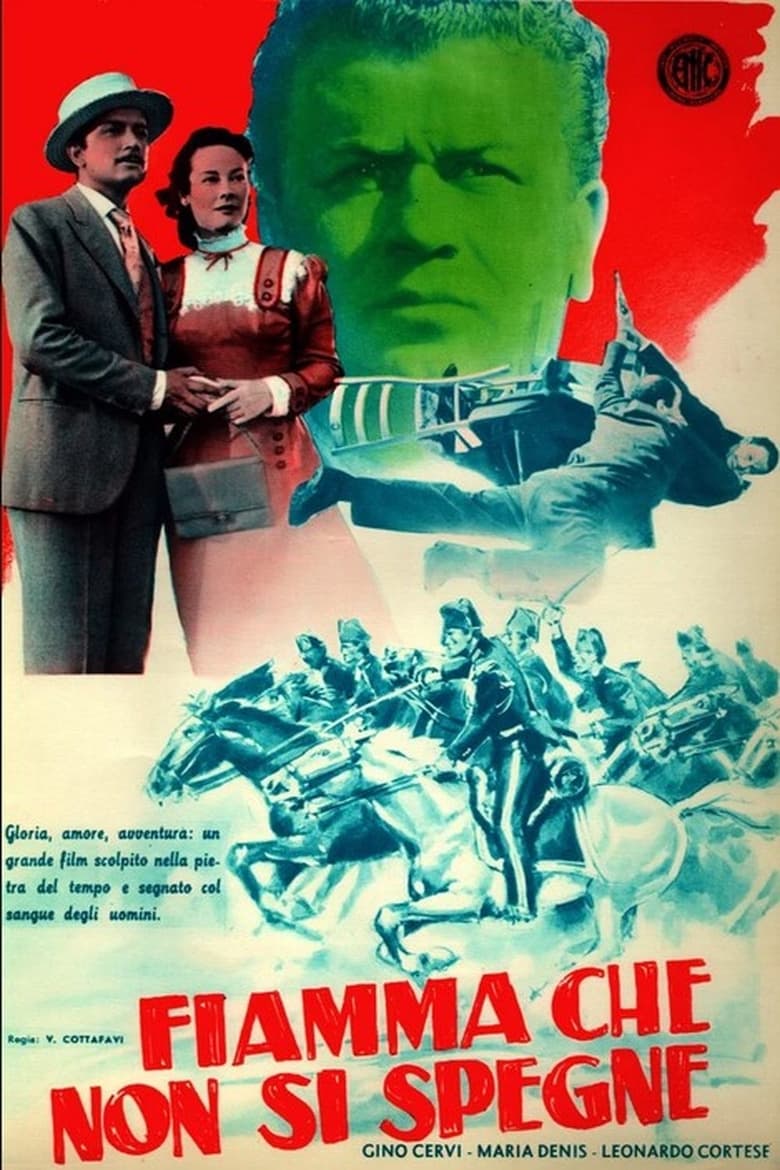
Inspired to the real story of the Carabiniere Salvo D'Acquisto. We see how, to save 22 hostages from dead sentence by Nazi, he decided to sacrifice himself.
Overall Score
Limited
Category Breakdown
LGBTQ+ Representation
The film functions as a traditional war drama centered on historical martyrdom. It contains no evidence of non-cisnormative identities or narratives that critique heteronormativity.
Gender Representation
The story prioritizes masculine-coded heroism through military structures and the Carabinieri. It explores leadership and sacrifice through a patriarchal lens of duty and combat.
Racial & Ethnic Diversity
Set during the Nazi occupation of Italy, the film focuses on national identity and resistance. The setting remains tied to the homogeneous social structures of 1940s Italy.
Religious & Cultural Diversity
The narrative critiques oppressive systemic power by framing the protagonist's sacrifice as a rejection of corrupt authority. It remains rooted in traditional frameworks of nationalistic duty.
Disability Representation
There is no evidence that disability, neurodivergence, or chronic illness plays a role in the character arcs or plot mechanics.
Strengths
Areas for Improvement
AI Analysis
The film is a period-specific historical drama that adheres to the conventional narrative structures of its era. It focuses on the moral complexities of wartime survival and individual agency rather than the diversification of identity. The narrative architecture is built around a singular, traditional heroic arc. While the story of Salvo D'Acquisto is emotionally resonant, it does not actively seek to challenge or expand upon contemporary standards of intersectional representation. Ultimately, the film serves as a study of individual agency against systemic oppression, but it does so through a lens of mid-century social realities rather than modern inclusive storytelling.
1967

1959
1944

1945

1957

1942

2019
1970
1969

1950

1981

1970
No reviews yet. Be the first to share your thoughts on this movie!
Use the rating form above to leave a star rating and optional review.