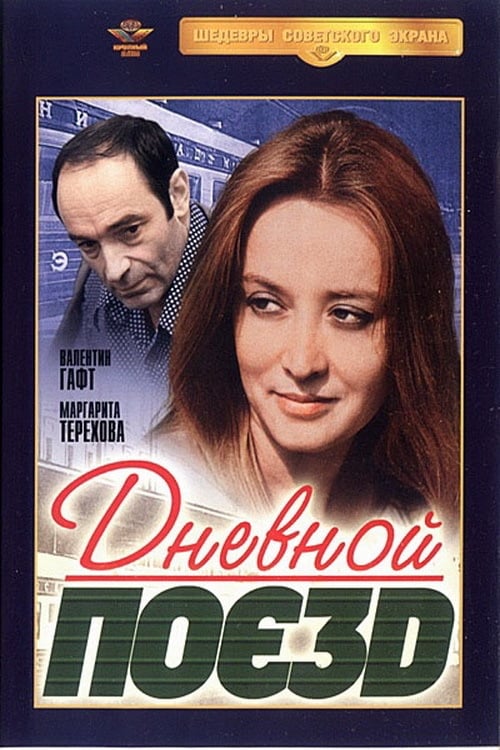
Daylight Train
1976
No user ratings available yet
Representation score: 3.4 out of 10
Representation Score
Minimal
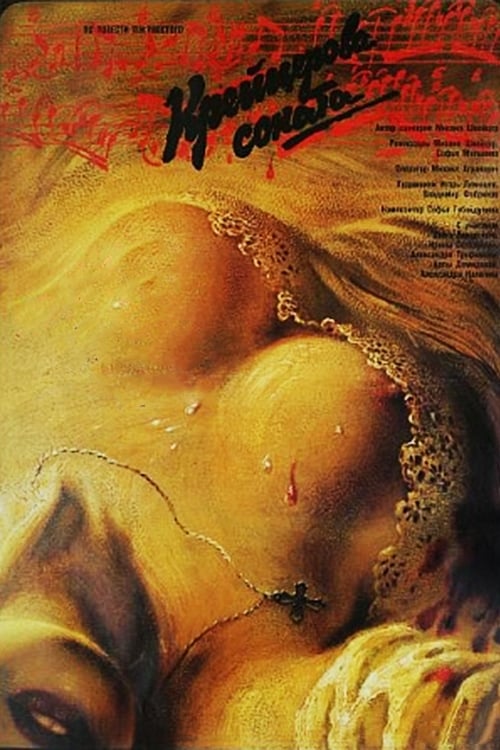
1987
Director
Mikhail Shveitser, Sofiya Milkina
Runtime
158 minutes
Average Rating
No ratings yetNew Showbiz Analysis
This adaptation of Tolstoy’s novella is a psychological study of obsession and marital dissolution. It prioritizes a deconstruction of social norms over modern inclusive representation, resulting in a narrow demographic scope. The film's strength lies in its unflinching examination of the breakdown of traditional hierarchies. However, it remains heavily tethered to the moralistic and ascetic frameworks of the 19th century. Ultimately, the work functions as a period-specific character study that lacks diversity by design, focusing instead on the volatile intersection of individual desire and systemic social expectations.
Category Breakdown
The film follows a strictly straight-centered perspective. It focuses solely on the destructive relationship between a husband and wife, with no queer identities represented.
The film presents a troubling subversion of gender hierarchies. It centers on a protagonist's resentment of women's ability to drive the story, framing femininity through a lens of misogyny and objectification.
Casting reflects the homogeneous social strata of 19th-century Russian nobility. The film maintains a period-accurate, ethnically uniform presentation consistent with its historical setting.
The story critiques the sanctity of marriage and the hypocrisy of social refinement. It explores the tension between individualistic obsession and the era's religious and social morality.
There is no representation of physical, sensory, or neurodivergent disabilities. Character struggles are framed as psychological and moral issues rather than being linked to disability.
Present on Screen
Limited or Absent
Official Synopsis
A revelatory discussion on a train. Based on Leo Tolstoy's novel of the same name.
1976
1987
2017

1983
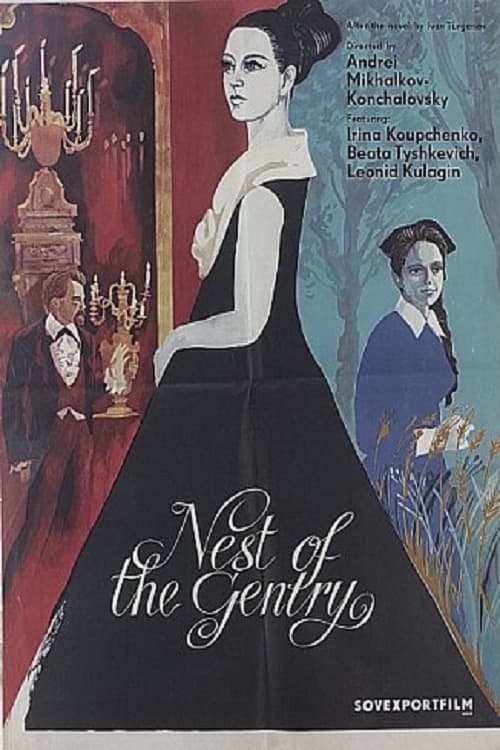
1969
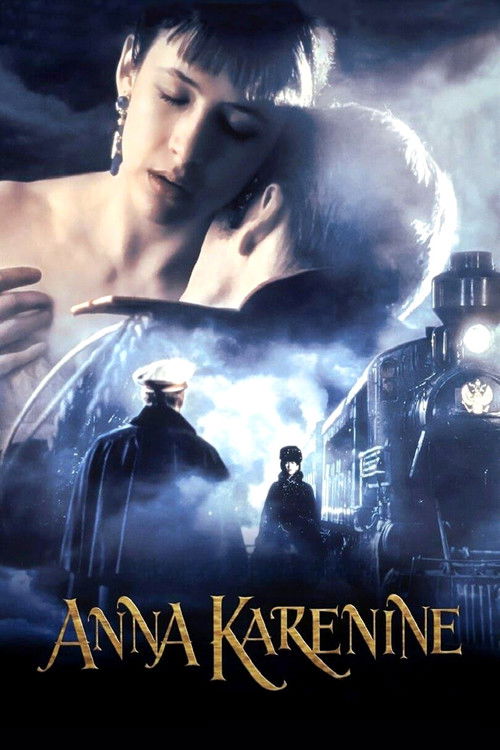
1997
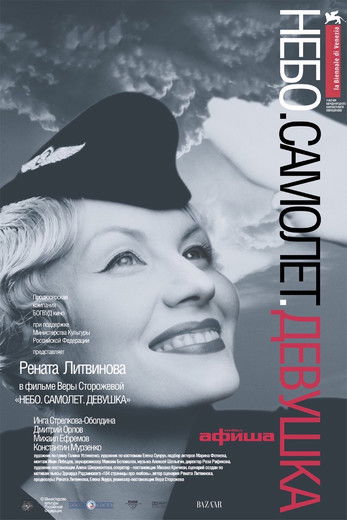
2002
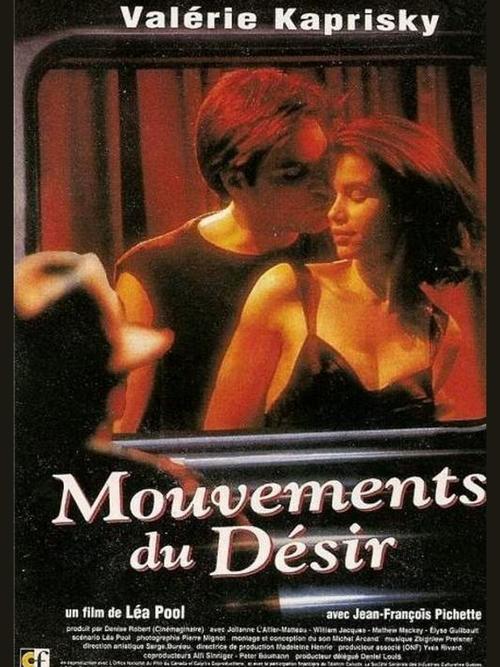
1994
No reviews yet. Be the first to share your thoughts on this movie!
Use the rating form above to leave a star rating and optional review.