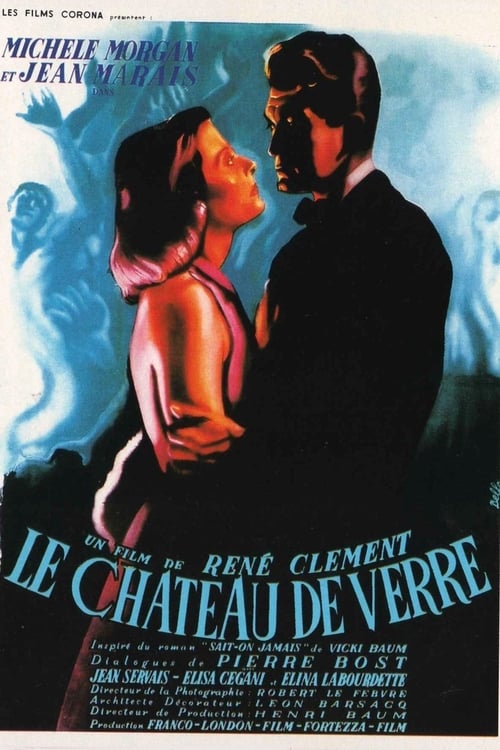
The Glass Castle
1950
No user ratings available yet
Diversity score: 3.4 out of 10

1983
Director
Nikita Mikhalkov
Runtime
95 minutes
Average Rating
No ratings yetSynopsis
In visiting his ex-wife’s apartment a man learns that she plans to remarry a scientist named Valentin Shlyakhov. In his past, the man wrote a scathing letter about Shlyakhov which greatly impacted his career. Fearing that this information will come to light when his ex-wife marries Shlyakhov, the man insists that the wedding be called off. What follows is an intimate portrayal of the relationship between a man and a woman (who are never named), whose history as husband and wife plays out during a heated conversation.
Overall Score
Limited
Category Breakdown
LGBTQ+ Representation
The film focuses exclusively on a heteronormative conflict between a man and his ex-wife. No queer subtext or non-cisnormative identities are present in the narrative.
Gender Representation
The female protagonist shows agency through her decision to remarry and her ability to challenge the male lead. However, power dynamics remain rooted in conventional interpersonal hierarchies.
Racial & Ethnic Diversity
The story centers on a specific, homogeneous social circle. There is no evidence of a multi-ethnic cast or the integration of diverse racial identities.
Religious & Cultural Diversity
The narrative explores individual morality and personal reputation rather than systemic or religious frameworks. It prioritizes the ethics of a private relationship over broader cultural critiques.
Disability Representation
No characters with visible or invisible disabilities serve as central figures or drive the narrative forward.
Strengths
Areas for Improvement
AI Analysis
Without Witness is a concentrated psychological study that prioritizes intimate, dialogue-driven drama over social breadth. The film functions as a character study of a failed marriage, focusing on the tension between individual ego and the consequences of past professional interference. Because the narrative is confined to the domestic and professional spheres of two unnamed protagonists, it lacks intersectional complexity. The film adheres to traditional romantic and relational structures, offering little engagement with diverse identity politics or the subversion of systemic power structures.
1950
1989

1987
1967
2000
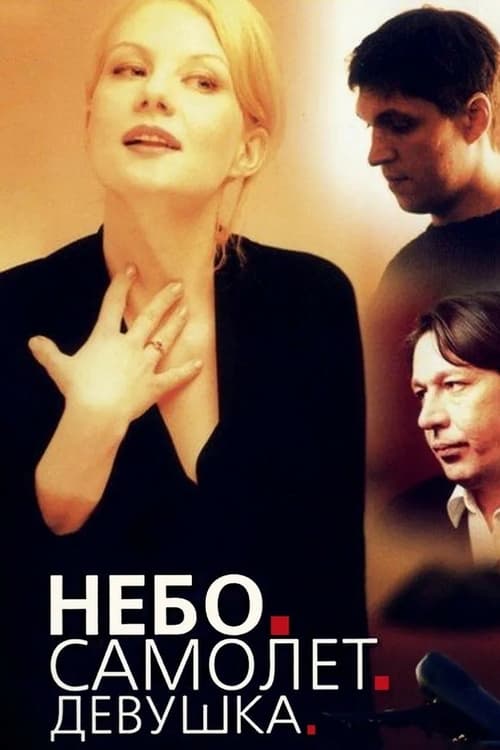
2002
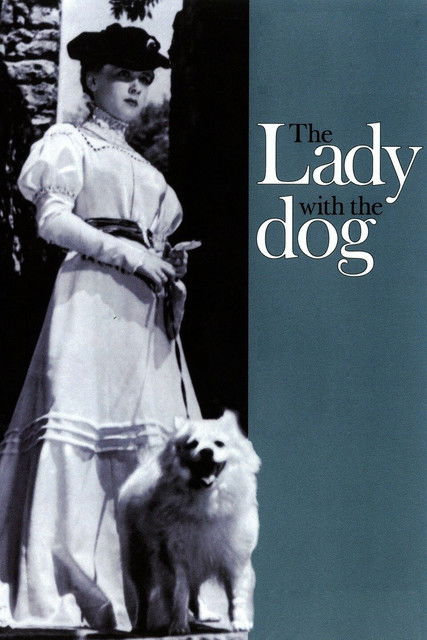
1960
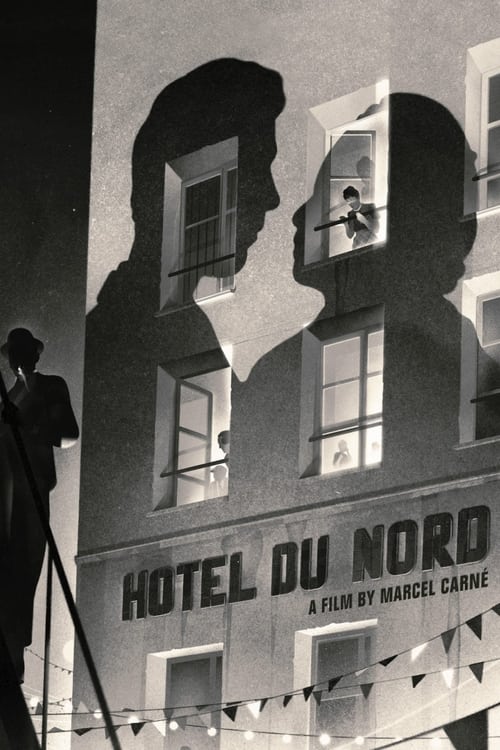
1938

1967
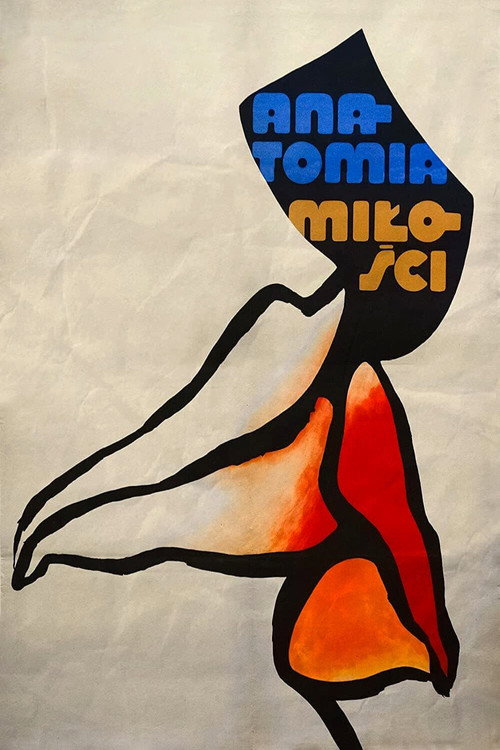
1972
1996

2010
No reviews yet. Be the first to share your thoughts on this movie!
Use the rating form above to leave a star rating and optional review.