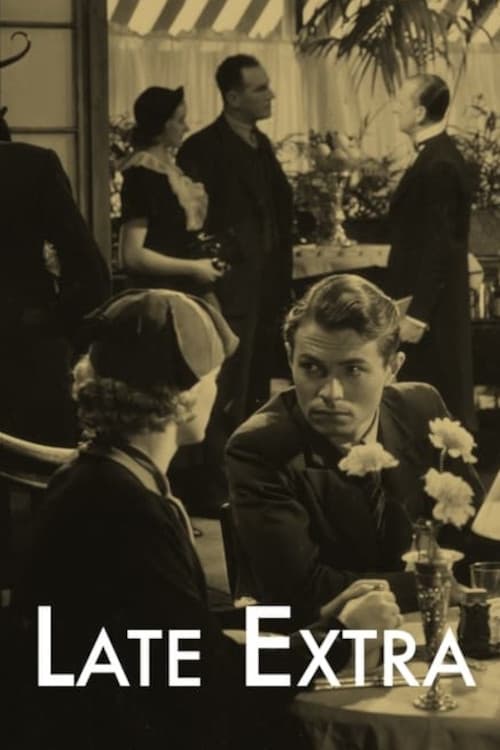
Late Extra
1935
No user ratings available yet
Representation score: 1.4 out of 10

Representation Score
Minimal
1933
PassedDirector
Anton Lorenze
Runtime
65 minutes
Average Rating
No ratings yetNew Showbiz Analysis
Back Page is a product of early 1930s studio conventions, reflecting the era's limited approach to diverse storytelling. While it offers a slight departure from domestic clichés by centering a woman in a professional leadership role, the film remains largely conventional. The production lacks racial diversity and any representation of LGBTQ+ identities, adhering to the homogeneous casting norms of the period. The narrative focuses on individual professional integrity rather than challenging systemic social structures. Ultimately, the film serves as a snapshot of early American cinema, providing moderate gender ability to act but failing to incorporate broader cultural or identity-based perspectives.
Category Breakdown
The film does not depict any non-binary or LGBTQ+ identities. It follows the assumption that everyone is straight and cisgender, typical of 1930s American crime dramas.
Peggy Shannon stars as a female newspaper editor, offering a rare example of professional authority for a woman. However, it is unclear if this role truly challenges traditional gender roles or simply follows a standard career-woman archetype.
The story centers around a homogeneous, Anglo-Saxon cast. There are no non-white characters or signs of racial diversity in this small-town California setting.
The story explores the tension between urban and rural values through a big-city reporter's journey. It lacks any significant secularist or systemic critiques, staying within traditional moral frameworks.
There are no characters portrayed with visible or invisible disabilities in the film's narrative.
Present on Screen
Limited or Absent
Official Synopsis
A former New York reporter (Peggy Shannon) is hired as editor of a failing, small town newspaper in California.
1935
1950
1935
1932

1952
1934

1937
1939
No reviews yet. Be the first to share your thoughts on this movie!
Use the rating form above to leave a star rating and optional review.