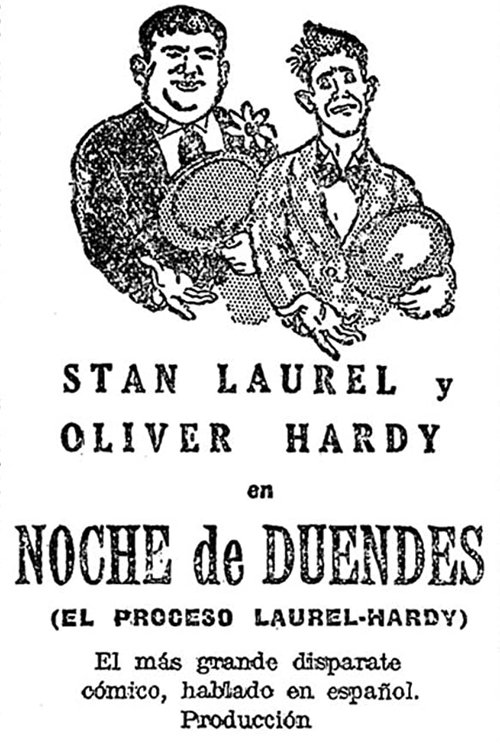
Night of Goblins
1930
No user ratings available yet
Representation score: 2.8 out of 10
Representation Score
Limited
1931
PassedDirector
James W. Horne
Runtime
63 minutes
Average Rating
No ratings yetNew Showbiz Analysis
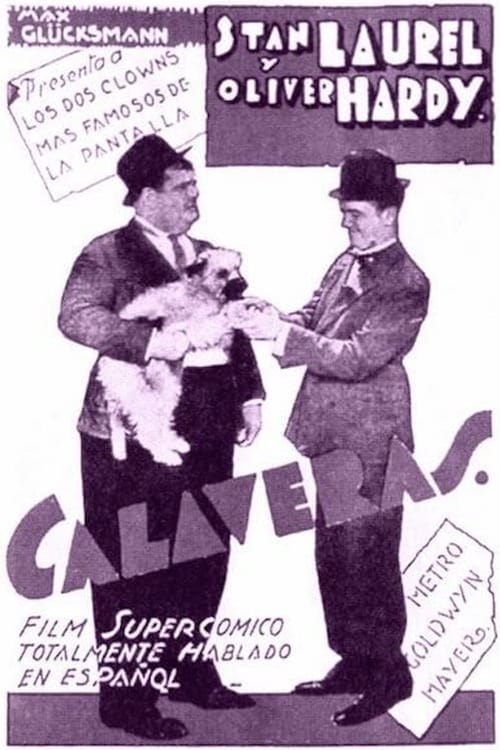
The Skulls functions as a linguistic curiosity rather than a narrative designed for social commentary. By repurposing English-language Laurel and Hardy shorts with phonetic Spanish dialogue, the film prioritizes market accessibility over character depth. The slapstick tradition driving the film reinforces the social and gender hierarchies of the early 1930s. This structural approach prevents the development of complex identities. Ultimately, the work is a historical artifact of early sound-era distribution. Its comedic clichés favor universal physical mishaps over nuanced representation or cultural critique.
Category Breakdown
The film follows the conventions of its time and does not depict non-straight identities or same-sex relationships.
Humor revolves around masculine incompetence through traditional gender roles. The film lacks complex female roles or any significant challenge to gender hierarchies.
The cast is homogeneous, focusing on linguistic accessibility rather than ethnic diversity. It does not use diverse casting to challenge social norms.
The narrative emphasizes situational absurdity over social critique. It lacks moral relativism or institutional critique found in more progressive works.
Physical vulnerability serves primarily as a vehicle for comedy. There is no portrayal of neurodivergence or disability with meaningful ability to act.
Present on Screen
Limited or Absent
Official Synopsis
This Spanish language film was produced simultaneously with the filming of the two English language Laurel and Hardy shorts Be Big! and Laughing Gravy. The two shorts were edited together into one continuous film. Laurel and Hardy read their lines from cue cards on which Spanish was written phonetically. At the time of early talkies, dubbing was not yet perfected.
1930
1931
1923
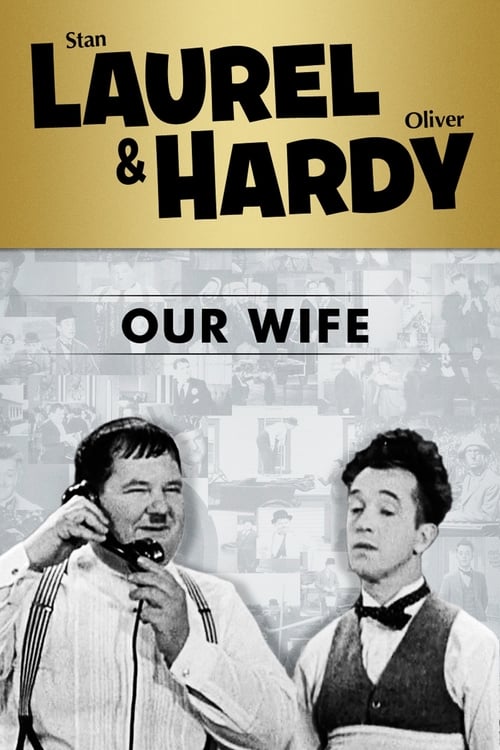
1931
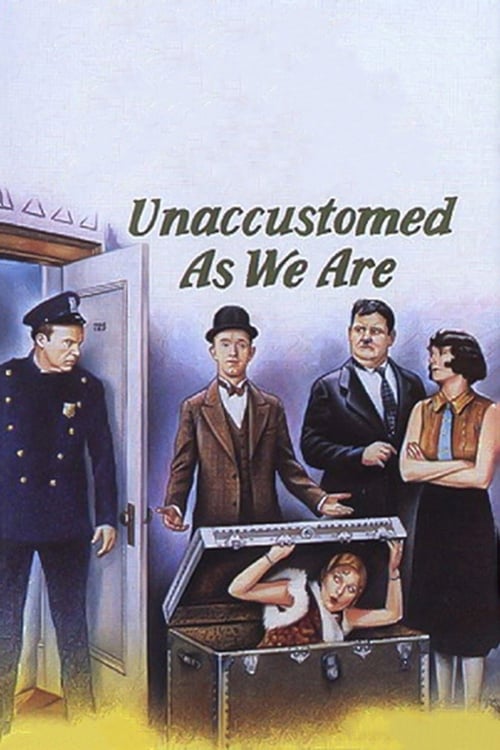
1929
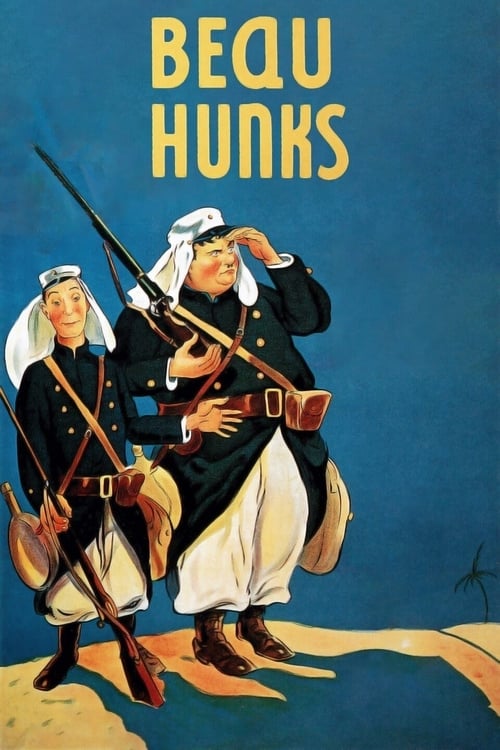
1931
1935
1932
No reviews yet. Be the first to share your thoughts on this movie!
Use the rating form above to leave a star rating and optional review.