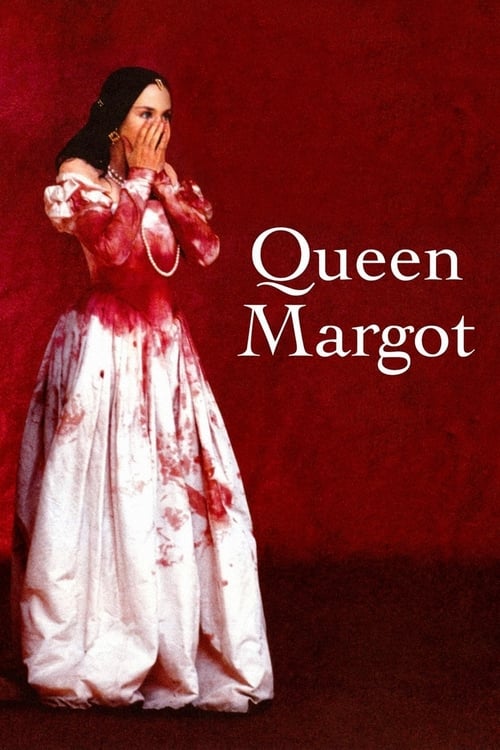
Queen Margot
1994
No user ratings available yet
Diversity score: 6.2 out of 10

1966
Director
Vilgot Sjöman
Runtime
97 minutes
Average Rating
No ratings yetSynopsis
Sweden, 1782. Jacob, a young noble, somewhat wild and vehement, returns from his studies in France. After his absence, he returns home happy, but is even happier of meeting his beloved sister Charlotte again. However, she has been promised to the Baron Alsmeden, a man of great influence at court, and this fact will awake a feeling like jealousy in Jacob.
Overall Score
Fair
Category Breakdown
LGBTQ+ Representation
The narrative focuses almost exclusively on heterosexual sexual exploration and the protagonist's pursuit of desire. It lacks non-cisnormative identities or narratives that explicitly critique heteronormativity.
Gender Representation
The film disrupts traditional hierarchies by prioritizing personal impulse over social decorum. However, female characters often function as catalysts for the male protagonist's journey rather than driving the primary arc.
Racial & Ethnic Diversity
Set in 18th-century Sweden, the film features a homogeneous white cast. The narrative operates within a culturally specific framework that does not engage with intersectional racial dynamics.
Religious & Cultural Diversity
The film excels at disrupting traditional Western institutions by framing sexual experimentation as a valid pursuit of personal truth. It challenges the authority of religious and social mores.
Disability Representation
There is no significant evidence regarding the inclusion or portrayal of characters with physical or neurodivergent disabilities.
Strengths
Areas for Improvement
AI Analysis
Vilgot Sjöman’s work serves as a significant piece of narrative disruption, specifically through its rejection of singular moralities. By embracing situational ethics, the film challenges the restrictive moralism of established Western social structures. While the film is progressive in its deconstruction of social and religious constraints, it remains limited by a lack of intersectional diversity. The focus on a homogeneous cast and traditional sexual binaries prevents a broader representation of identity. Ultimately, the film's strength lies in its intellectual challenge to institutional conformity, even as it remains narrow in its demographic scope.
1994
2012

1961
1953

2015

1944
1956

2010
No reviews yet. Be the first to share your thoughts on this movie!
Use the rating form above to leave a star rating and optional review.