The Dream
1987
No user ratings available yet
Representation score: 3.1 out of 10
Representation Score
Good
1990
Director
Elia Suleiman, Jayce Salloum
Runtime
40 minutes
Average Rating
No ratings yetNew Showbiz Analysis
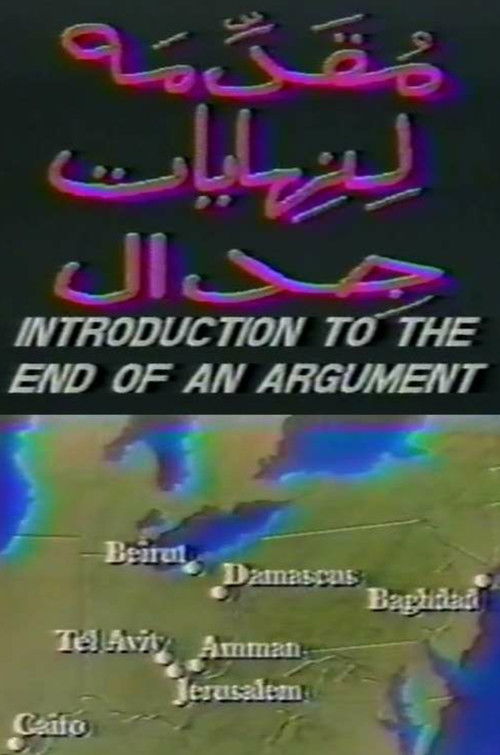
Introduction to the End of an Argument is a powerful exercise in deconstructive cinema. It succeeds by shifting the lens away from Western media frameworks to provide ability to act to a underrepresented Palestinian identity. The film's strength lies in its systemic approach rather than character-driven storytelling. It excels in racial and cultural representation by challenging how dominant institutions mediate and misrepresent non-Western identities during geopolitical crises. While the documentary lacks specific focus on gendered clichés or disability, its high score is earned through its profound subversion of colonial narratives and its reclamation of political ability to act.
Category Breakdown
The film focuses on media portrayals of the Palestinian Intifada rather than specific LGBTQ+ identities. There is no explicit evidence of non-straight or non-cisgender characters or queer-coded narratives within the work.
The narrative prioritizes systemic geopolitical conflict over individual gender dynamics. It avoids reinforcing traditional masculine leadership clichés or submissive femininity by centering the Palestinian experience.
This work provides profound racial and ethnic ability to act by reclaiming the Intifada narrative from a Western-centric lens. It disrupts the 'white-as-norm' perspective prevalent in global news cycles.
The film utilizes a post-colonial framework to critique Western media hegemony. It prioritizes the perspective of the 'other' to explore the complex systemic forces of conflict.
There is no evidence regarding the portrayal of physical or neurodivergent disabilities in this documentary.
Present on Screen
Limited or Absent
Official Synopsis
Lebanese/Canadian artist Jayce Salloum and Elia Suleiman, a Palestinian filmmaker living in New York, have taken on our accumulated (mis)impressions of the Palestinian Intifada by tracing their genesis in film and television.
1987
2011
2005

2024
1982
2012
1981
1976
No reviews yet. Be the first to share your thoughts on this movie!
Use the rating form above to leave a star rating and optional review.