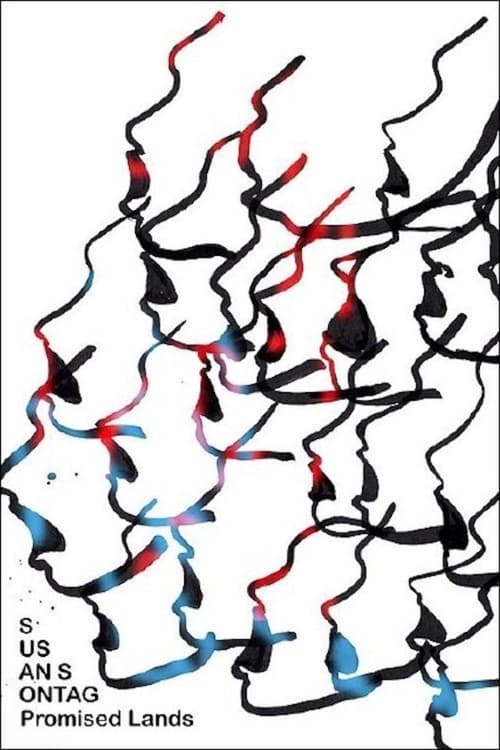
Promised Lands
1974
No user ratings available yet
Representation score: 6.6 out of 10
Representation Score
Good
2005
Director
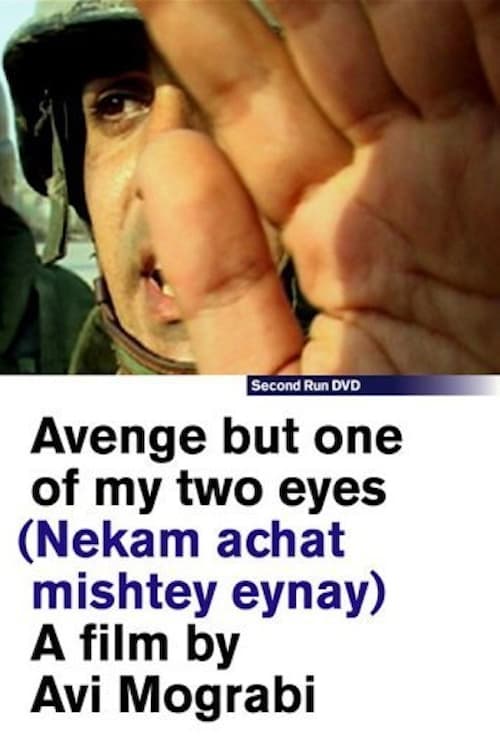
Avi Mograbi
Runtime
100 minutes
Average Rating
No ratings yetNew Showbiz Analysis
Avi Mograbi’s documentary is a sophisticated interrogation of power and colonial legacies. It dismantles monolithic cultural myths and replaces them with a complex examination of systemic conflict. The film moves beyond simple reportage to address the psychological dimensions of geopolitical friction. The work excels in its cultural and racial depth, providing a significant role in driving the story to those living within the Occupied Territories. By using myth as a metaphor for contemporary struggle, it elevates the narrative into a profound moral inquiry. While the film lacks explicit focus on LGBTQ+ identities or disability, its structural resistance to traditional nationalistic hierarchies provides a progressive framework for understanding historical violence.
Category Breakdown
The film focuses on geopolitical and mythological themes rather than explicit LGBTQ identities. However, it deconstructs traditional archetypes to resist the idea that everyone is straight or cisgender.
By reframing the hyper-masculine myth of Samson, the film critiques cycles of violence driven by patriarchal structures. It replaces the celebration of martial prowess with a somber reflection on the consequences of such archetypes.
The documentary centers the lived realities of the Occupied Territories. It provides a significant role in driving the story to the diverse ethnic and racial identities caught within the systemic friction of the Israeli-Palestinian conflict.
The work adopts a post-colonial perspective by critiquing nationalistic institutions. It uses historical myths like Masada to challenge state-sanctioned truths and promote a nuanced understanding of systemic conflict.
There is no discernible evidence regarding the portrayal of physical or neurodivergent disabilities within the film's thematic overview.
Present on Screen
Limited or Absent
Official Synopsis
Shot in the Occupied Territories by Israeli director Avi Mograbi, this controversial documentary film draws parallels between the Israeli - Palestinian situation today and the enduring myths of Samson and Masada. Mograbi offers a powerful, at times chilling, lament of the continuing cycles of violence rooted in the past and threatening to engulf everyone's future. With the roots of so much real-world conflict left unexamined by today's restless media, this film reminds us just how vital filmmakers like Avi Mograbi are. Documentary today is rarely immersed in questions of this magnitude - or tackles them with the level of eloquence shown here by Mograbi. An exceptional and challenging film.
1974
2011
2007
2024
2003
2012

2010
2015
No reviews yet. Be the first to share your thoughts on this movie!
Use the rating form above to leave a star rating and optional review.